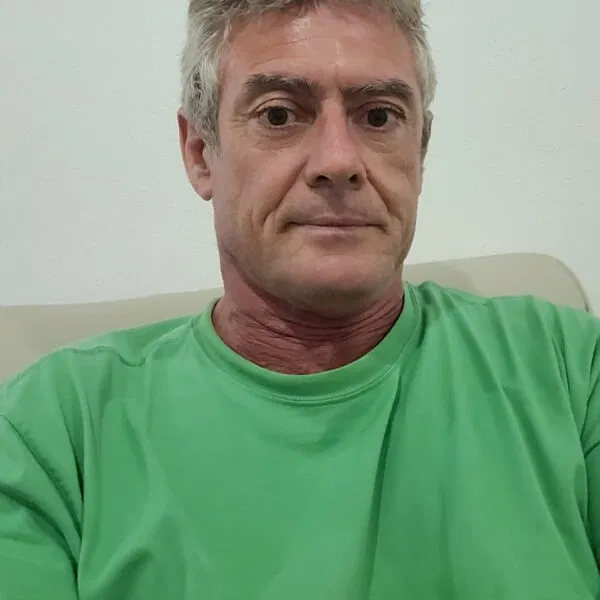
Jorge Daniel
Jorge Daniel “I Keep Fighting” I first connected with Jorge…
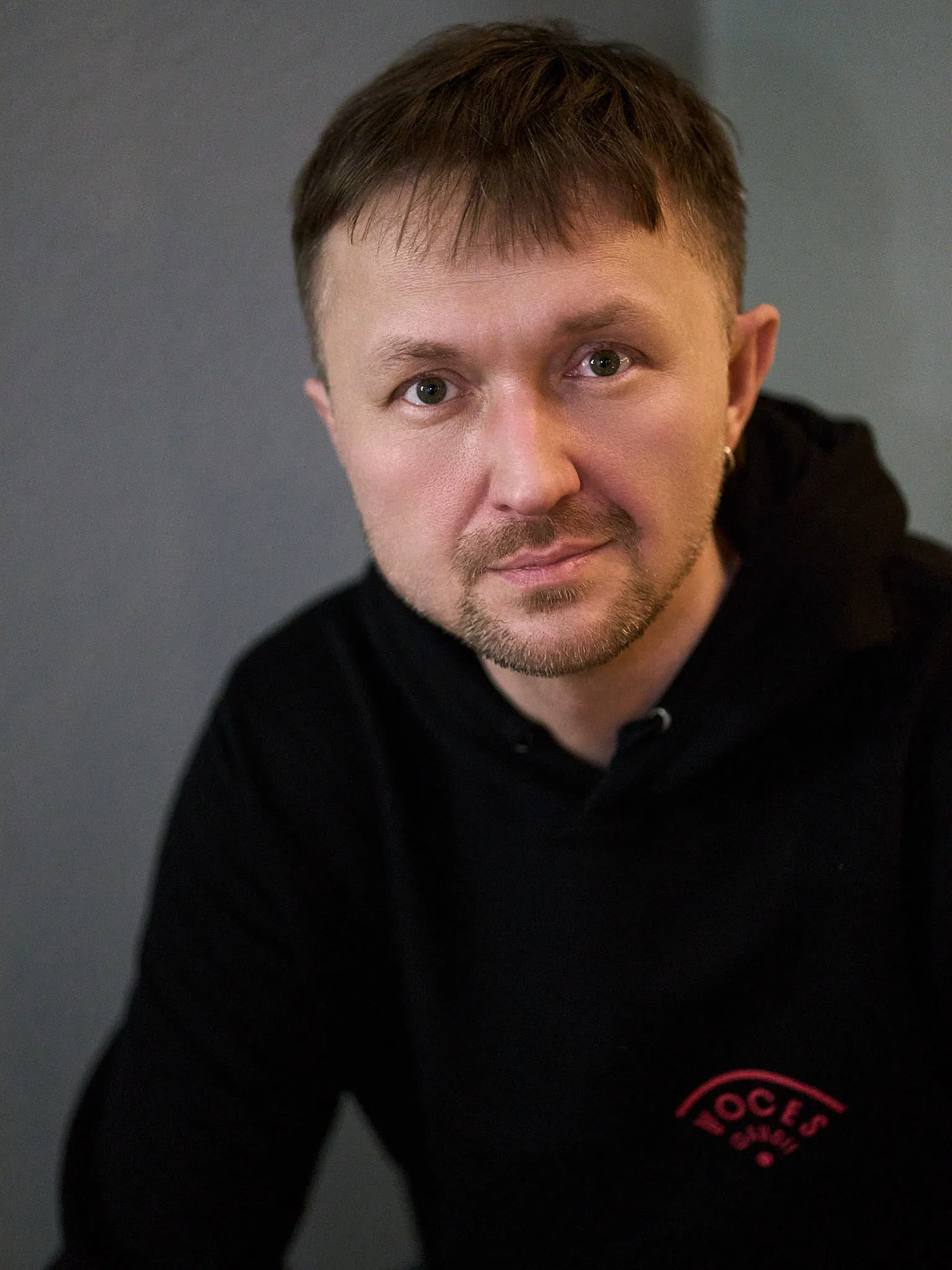
I was born in the city of Tver, the largest city between Moscow and Saint Petersburg. I spent the last seventeen years of my life in Moscow before I had to leave after the full-scale invasion. After that, Russia became a very unsafe place for me.
Now, looking back, I believe that if I had been braver, I might have discovered my HIV status earlier. But when I was finally diagnosed, my CD4 count was twenty. I caught the last train.
For many years, I believed my HIV status was a private matter, something that concerned no one except those who might have been infected by me. Even my mother did not know.
Some time later, I made a decision that changed something inside me. I decided to stop hiding my status.
I realised that this was my responsibility not only to myself, but to a society where HIV stigma still exists.
The moment that pushed me toward this decision came after the death of a close friend.
In February 2023, I received a call from a hospital. When we spoke on video, he was in isolation, in a sterile room. At first, they said it was severe COVID. But he also told me something else he had just discovered: he was HIV positive.
Two days later, he fell into a coma.
He never woke up. He was thirty-eight.
What makes this even more painful is that he lived in a place where testing, PrEP, condoms, and treatment were easily available.
It would not have cost him anything to receive care if only he had been tested.
And I kept thinking one terrible thought: if he had known that I was HIV positive, that I was taking medication, that I was living a normal life… maybe he would have tested earlier.
Maybe he would still be here.
I had time to think about that. Eventually, I realised that the only way to live with that feeling was to start with myself and stop hiding.
A Ukrainian HIV activist I met in Poland introduced me to that world. Some people simply change the environment around them. When they become activists, everyone around them slowly becomes one too. Through her, I met many remarkable people, and later I joined the Buddy Program.
At first, I believed I was helping other people. But during my first consultation with a newly diagnosed man, something unexpected happened. At one moment, he asked me why I was doing this work.
And I answered something I had never said aloud before.
I told him that this work gives me back my dignity.
For years, I hadn’t even realised I had lost it.
Later, I understood something very simple: I only began to believe that I was okay when I started explaining it to others. By helping them see that they were okay, I finally managed to accept it for myself.
Recently, a friend called me in panic after a risky sexual encounter. He had heard about post-exposure prophylaxis, but in Poland it costs about fifteen hundred zloty, and he did not have the money.
I told him that, as an activist, I should say, “Take the treatment.” But based on my experience, his risk in that situation was extremely low.
Most importantly, I told him: whatever you decide, I will be by your side.
Standing beside him in that clinic, I realised something important about myself.
In the early years after my diagnosis, whenever I heard that someone else had tested positive, a small part of me felt relieved because I was not alone anymore.
But that day, I felt something completely different.
For the first time, with my whole self, I hoped with all my heart that he would be negative. Because there are experiences in life that no one needs to go through.
For many years, I lived with the feeling that I was dirty. Eventually, I let that feeling go. I do not live with it anymore.
If someone newly diagnosed asked me what advice I would give them, I would not start with medical explanations or advice. I would say something much simpler:
I’m here. Call me anytime.
Share this story on: