Susan
Susan Cole-Haley is a public speaker, broadcaster, writer and health…
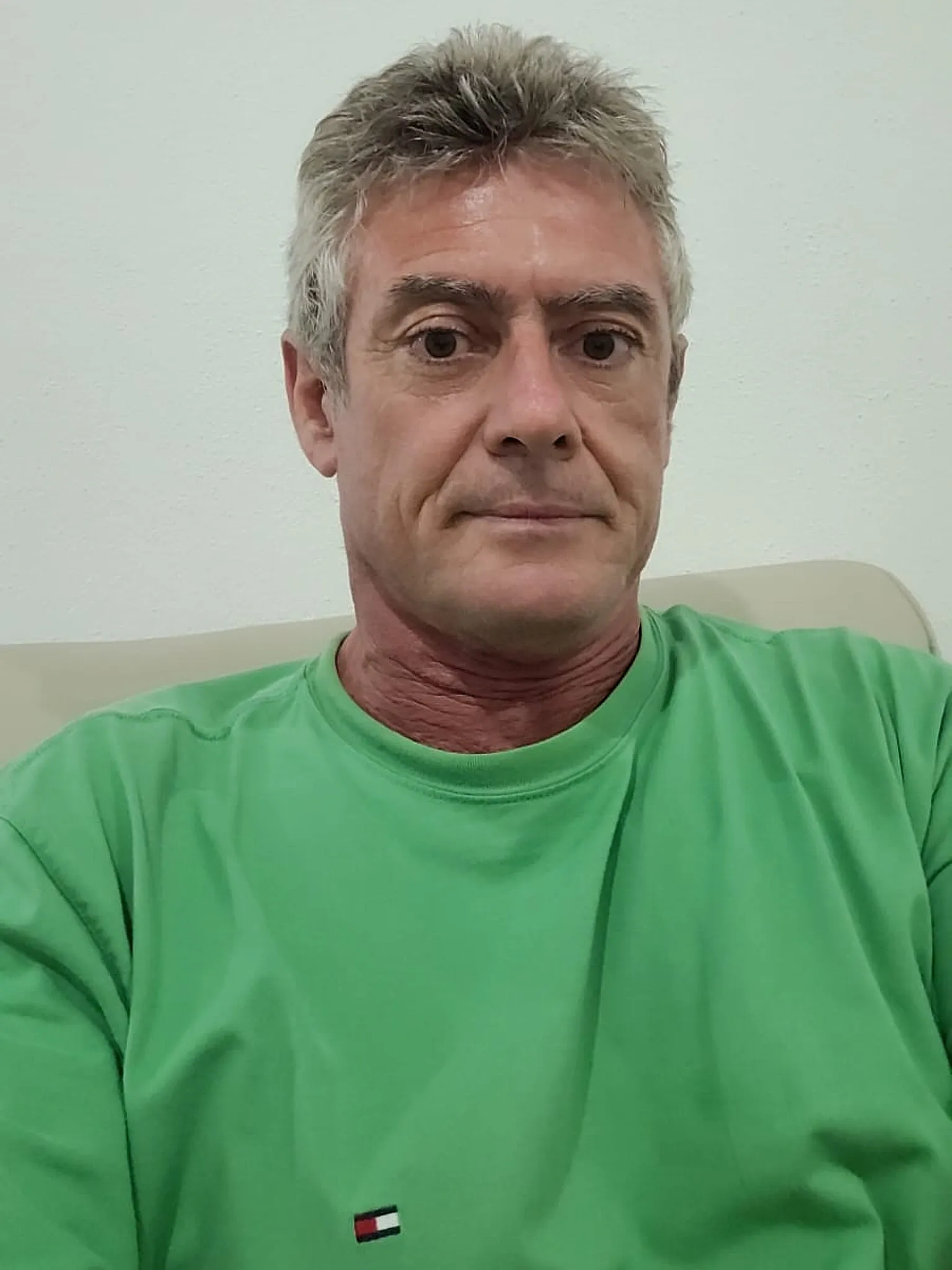
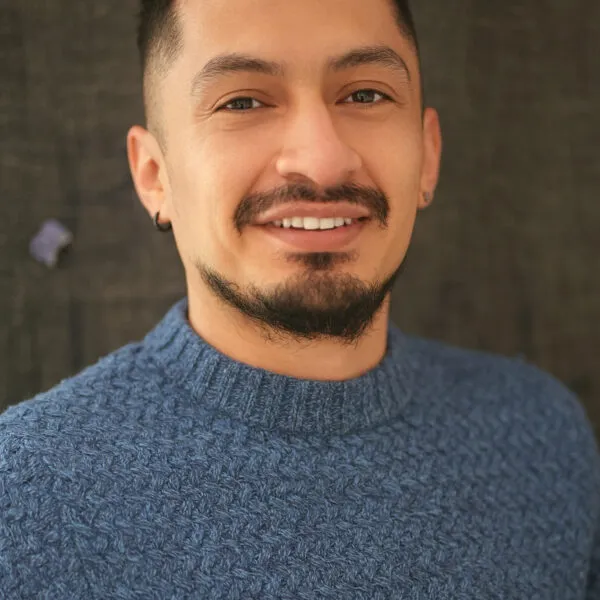
Jorge Daniel “I Keep Fighting”
I first connected with Jorge Daniel through LinkedIn after sharing a story from my PLHIV Documentary. He commented that his experience felt very similar to the story I had posted. I replied, inviting him to take part in the project.
To my surprise, Jorge responded straight away. He said he would be very happy to participate.
We exchanged contact details through direct messages, and that same evening, we met online. From the beginning, Jorge spoke with openness, honesty, and a quiet strength about his life and his journey living with HIV.
Jorge is a dentist working within the prison services in San Luis, in central Argentina.
What follows is his story, in his own words.
I used drugs at a time in my life, and I believe I acquired HIV during that period. At that time, I knew nothing about HIV. Nothing.
Years later, in 2011, I wrote my story in a book that was published with a newspaper on December 1st. In it, I share everything that happened to me, how I acquired HIV, my life at that time, and my diagnosis.
After my diagnosis, I received treatment, but it was not as effective as it is today, and my health became very compromised.
I developed toxoplasmosis and experienced paralysis on the right side of my body. I was hospitalised for three months in San Luis Hospital.
I went into the hospital very unwell. I spent three months there.
Thanks to the healthcare professionals who cared for me, and through faith, I was able to recover. It felt like a miracle. I am Catholic, but in that moment, you hold on to anything that helps you survive.
San Luis was a small city then. Everyone knew one another. I was already known as an odontologist, as a healthcare professional. That helped me in some ways.
But outside the hospital, things were very different.
There was a lot of stigma. A lot of fear.
I would walk down the street, and people would move away. They would avoid contact. They would not shake my hand. They would not share everyday social moments with me.
Those experiences stayed with me.
One person truly listened to me. He later became governor. Because of that support, I was able to return to work in 2001.
I began working again, first in sports, then in other areas of health, including preventive care and odontology, before entering the hospital system.
Even then, the stigma remained. At one point, I was only permitted to treat people living with HIV because I was also living with HIV.
In Argentina, HIV is understood legally as a transmissible condition, not something spread through casual contact. This means a person can work safely as a healthcare professional.
So I made a decision. If people could not easily access care, I would go to them.
Since 2006, I have worked in the prison system, providing dental care to people living with HIV, hepatitis, and other health conditions. That is where I continue to work today. Life continued alongside all of this.
I fell in love. We have two beautiful daughters together, 13 and 9. I also have an older son. None of my children are living with HIV. They are healthy.
Today, my eldest son is 29. I am a father of three, and I work full-time at two prisons, one maximum-security and one closer to the city.
I keep going. I continue to take part in HIV-related programmes at both the national and provincial levels. I continue to support others where I can.
At the beginning, I experienced a lot of exclusion in my professional life.
In the private sector, opportunities were limited. It was not always said directly, but it was understood.
That period was very difficult for me. I experienced depression and received support through psychiatric care for a number of years. With the support of family, friends, and therapy, I was able to move forward.
Today, I am stable. I have work. I have projects and goals that I did not have 20 or 30 years ago. I am 56 years old. I have been living with HIV since 1997. Almost 30 years.
Even now, there are still challenges. At times, I notice differences in how responsibilities are shared in the workplace. These are not always spoken, but they can be felt.
Even when I needed dental care myself, I sometimes attended during quieter times, simply to avoid causing discomfort to others. There is still a lack of understanding.
That is why I began sharing my story again so that people can learn, and so that fear can be replaced with knowledge.
Within my family, there were also difficult moments. There was worry, there were strong emotions. Some of those conversations continue even now.
There is still much to learn, and much to teach.
Today, in San Luis, we are seeing increasing cases of other sexually transmitted infections, such as syphilis, chlamydia, and gonorrhoea. This reflects a broader need for education and prevention.
There is not enough awareness in schools, among young people, or in wider society.
That is what is missing. In my work, particularly in the prison system, I do not see HIV first.
I see a person. I understand what it feels like to be afraid, to feel alone, to question why you are treated differently. Because I have lived that experience.
So for me, every person is the same. We provide care equally. We do not separate people. That is something that has changed over time, as knowledge has improved.
If someone comes to me newly diagnosed and afraid, I offer something I did not receive at the beginning.
I offer hope. Because today, there is effective treatment. There is support. There is a future.
I listen. I guide. I support. Because sometimes, being a healthcare professional also means being someone who listens.
I try not to stay in the difficult moments of the past. But some experiences stay with you.
Moments where you feel excluded. Moments where you notice a difference.
Over time, with support, I learned how to move forward.
San Luis is a small, traditional place. Change takes time.
But change is happening.
At home, I have spoken openly with my eldest son. He understands my journey.
With my daughters, I am still finding the right moment. They are young, and I want them to understand in the right way, at the right time.
There are still conversations ahead.
But today, everything else is in balance.
I take my medication every day. Today, it is a single treatment. I attend my check-ups regularly.
My health is stable. I am here.
Working. Living. Supporting others, I do not give up.
Even in the most difficult moments.
I keep going.
Share this story on: