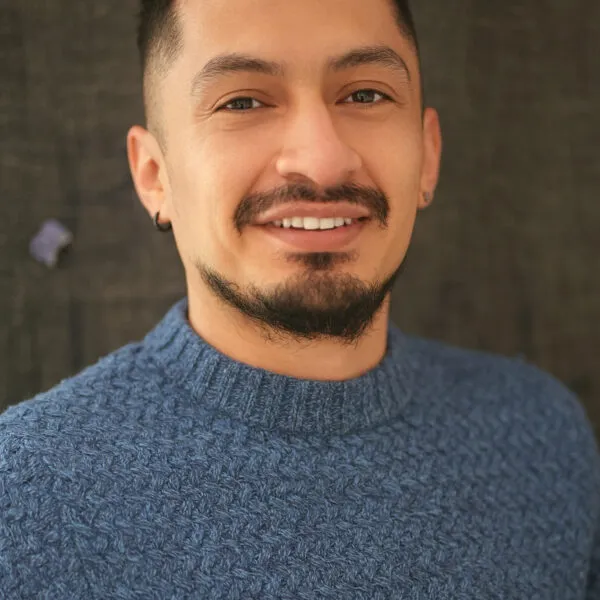
José Ángel
I found out I had HIV in Lima, right in…
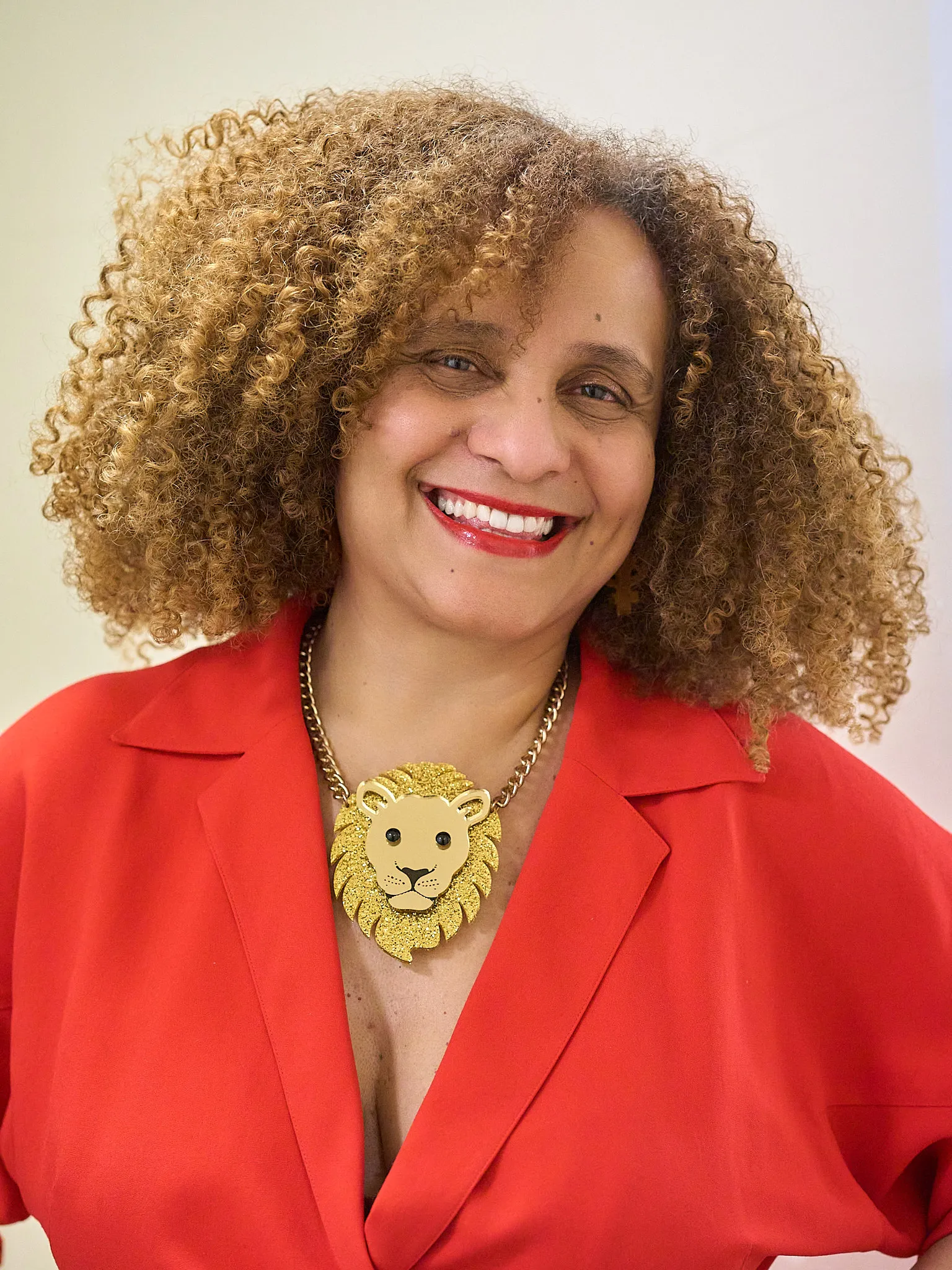
Susan Cole-Haley is a public speaker, broadcaster, writer and health equity change-maker, with over two decades of leadership in the HIV response. She is deliberate about how her story is told. Open about living with HIV, she is nonetheless cautious about how her status is represented, particularly in media. For her, disclosure is never about making her HIV status the “story”; it is a vehicle to convey specific messages, challenge stigma, and empower others.
Susan was diagnosed with HIV in 1999, following a routine immigration medical in the United States shortly after marrying her second husband. At the time, her only reference points for HIV were the bleak tombstone and iceberg campaigns from earlier decades. When she returned for her results, the immigration doctor, who was not an HIV specialist, told her, almost casually, that the “good news” was she did not have syphilis, but the “bad news” was that she was HIV positive. Her children were only five and seven years old. When she asked how long she might have left to live, he estimated seven years, unaware or uninformed that effective HIV treatment had already been available for several years.
The impact of that conversation was devastating, but rather than accept it, Susan turned to knowledge as a survival strategy. Living in the US, she asked her mother in England to send everything she could find from Aidsmap and other HIV information sources. As she read, she realised the doctor’s prognosis had been fundamentally wrong. Treatment existed. She could live a normal lifespan. Women living with HIV could have children born free of HIV. Susan went on to have two children after her diagnosis; combined with the two she had before, all four are HIV negative. For Susan, HIV has not prevented her from living what she describes as a full and fulfilling life.
Her commitment to using her experience for something larger was shaped further by earlier and later encounters with healthcare. Some years before her diagnosis, she had requested an HIV test from her GP in the UK, only to be dismissed with the phrase, “HIV doesn’t affect ladies like you.” That single sentence embodied a wider problem: many women are not perceived as being at risk of HIV by themselves or by healthcare professionals.
Susan’s professional background originally lay in research psychology and corporate sales, and she had already begun to write. The terrorist attacks of 9/11, which she witnessed while working in the City, prompted a profound reassessment of her priorities. Confronted with the fragility of life, she made a conscious decision to leave the corporate world and move into the charitable sector. Since then, she has spent almost 25 years working in HIV.
In the UK, Susan worked first with Aidsmap and later with the UK Coalition of People Living with HIV, where she led communications and helped run campaigns on HIV and co-infections. She also wrote for Positive Nation magazine, a publication created by and for people living with HIV. During that time, she became pregnant with her son (now an adult) and decided to pose nude on the cover of the magazine. The image of a pregnant woman living with HIV was accompanied by an article she wrote about HIV and pregnancy. That decision was not about provocation; it was a deliberate act to show that women living with HIV can choose motherhood. One reader from another country later wrote to tell her that, after being pressured by her doctor to terminate her pregnancy, she had read Susan’s article, continued with the pregnancy, and gave birth to an HIV-negative baby. Stories like this crystallise Susan’s belief that accurate, accessible information is one of the most powerful tools people with HIV have to advocate for themselves and make informed decisions.
Her work has continued to evolve. Susan co-founded Phoenix Health Movement with HIV physician Dr Vanessa Apea. Although the organisation places a particular emphasis on black women, its remit is broader, focusing on people from marginalised communities who face intersecting barriers to good health. Through community workshops, speaking engagements, and producing broadcast series and video campaigns, Susan shares both her personal experience and clear, reliable information about HIV. She is acutely aware that for many in migrant and marginalised communities, HIV is only one concern among many alongside poverty, racism, housing insecurity, and anti-migrant hostility. She argues that while remarkable progress has been made in HIV treatment and prevention, those benefits have not been evenly distributed, and until all communities can access and benefit from these advances, the goal of ending onward HIV transmission will remain out of reach. For her, the key to success is a genuine partnership: communities working alongside healthcare professionals, with community voices shaping priorities and strategies.
Despite her expertise and professional standing, Susan has not been immune to stigma, especially in healthcare settings, where people living with HIV are statistically most likely to encounter it. Eleven years ago, she was diagnosed with triple-negative breast cancer, an aggressive form of the disease. Initially, a biopsy and ultrasound reassured that the lump was only a cyst. Later, an HIV consultant, concerned by a rash at the biopsy site, urged her to return for further investigation. A subsequent biopsy revealed the cancer; by then, the tumour measured five centimetres across. She required chemotherapy and radiotherapy and even experienced an anaphylactic reaction to one of the chemotherapy agents.
What should have been a period of focused, compassionate care was marred by an oncologist’s insensitive behaviour. During one consultation, he commented on her HIV-negative partner and asked how she had not transmitted the virus to him. He also wrote “HIV POSITIVE” on a form and drew a large circle around it, making her status hyper-visible at a moment of extreme vulnerability. Susan later made a formal complaint and transferred her care to the Royal Marsden, where she received excellent treatment. She reflects that the higher level of monitoring linked to her HIV care may have led to her cancer being detected earlier than it otherwise would have been. At the same time, her experience highlights the additional burdens placed on people living with HIV, and particularly on Black women, who are more likely to be diagnosed late with cancers, more likely to die in childbirth, and often not believed when they speak up about their symptoms.
When asked what she would say to someone newly diagnosed with HIV, Susan offers a message that is both compassionate and unequivocal. She acknowledges the fear and pain that can accompany a diagnosis but insists that HIV is not a barrier to a “full and fabulous” life. With effective treatment, people cannot pass the virus on to their partners. They can have children born free of HIV. They can expect to live as long as anyone else. And they can pursue any career, whether as a dentist, midwife, or even in frontline military roles, now open to people living with HIV. Her life and work embody that message: that with knowledge, support, and equity, HIV does not define the limits of anyone’s future.
Share this story on: