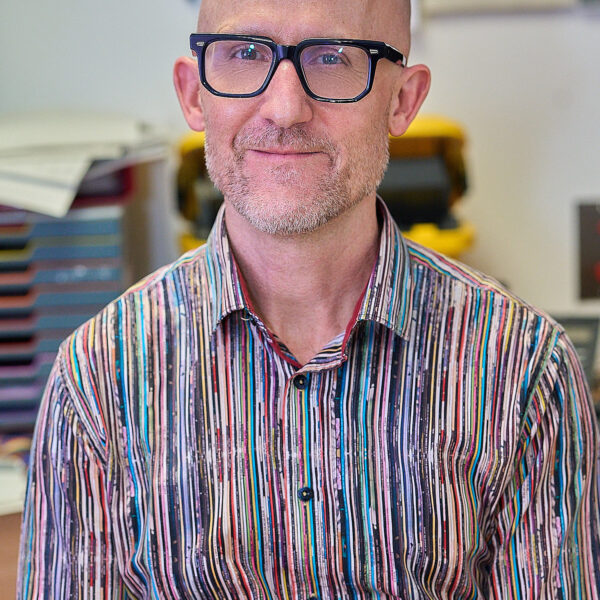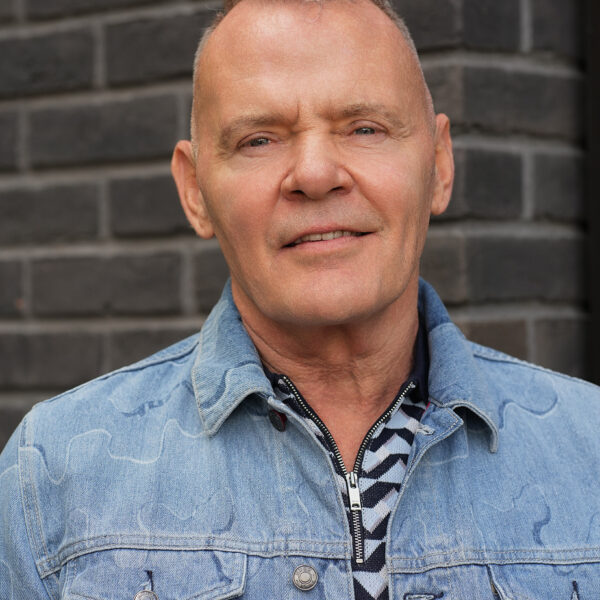
Kagan
My name is Kagan, and my work has always been…
I remember being in Rio, watching television, when I first heard the words that AIDS had
arrived. I had heard about it before, but that moment made it real. When I returned to Paris, I
began hearing about people getting sick. There was fear, but also denial. Even within the gay
community, many believed it was being exaggerated or that it did not exist in the way it was
being described.
Looking back now, I think I already had HIV in my body.
I was diagnosed in late 1990, during an episode of hepatitis A. My doctor pushed me to take
the test. He never told me that he himself was living with HIV. I only found that out years
later, after he had died. That was the reality then. People were hiding, even from each other.
I was very unwell at the time, completely exhausted. When the result came, he called me. I
realised before he said it that something was wrong. He told me my test was positive and
asked me to come in, but I was too tired. I just wanted to sleep. I went to see him two weeks
later. I have often wondered if, had I gone that day, he might have told me his own truth.
That night, after I was told, I did not sleep. I felt something I cannot fully explain not fear in
the way I expected, but a kind of pressure, almost like a trance. It felt as if something inside
me was telling me to get up, to move, to do something. The next day, I did. Within weeks,
physically, I had recovered. But my life had already changed.
At the time, I was studying acting. That was the direction my life was taking. But after my
diagnosis, I stopped. I chose instead to become involved in activism with ACT UP-Paris. That
decision shaped everything that followed. I do not regret it, but it is something I have missed
all my life.
Those years were intense. We were very young, and we lost people constantly. Friends,
colleagues, people we loved. It is difficult to explain what that was like to anyone who did
not live through it. Even now, when I speak about it, I realise I am still there in some way.
What still surprises me is that I grew old. I never expected to. I thought I would be dead by
forty. I am now sixty-seven.
With time, the context changed. Treatments improved. The urgency of those early years
shifted. I remained involved in advocacy, and I still am, though not in the same way. I
represent, I write, I speak when needed, but I am no longer living in that constant state of
urgency.
Stigma is something I learned to manage early. I developed my own way of dealing with it,
anticipating it, naming it before it could be used against me. That gave me a sense of control.
In many ways, I found that being gay brought more stigma into my life than HIV itself.
Today, I also live with other health conditions, diabetes, and high blood pressure, things I once
thought I might somehow avoid. But in truth, they connect me to everyone else. They remind
me that I am not only a man living with HIV. I am simply a man growing older.
If someone were to come to me today, newly diagnosed, I do not think I would have a speech
prepared. I would not want to lecture them. I think I would simply sit with them, have a
coffee, and let them speak or not speak. Sometimes that is enough.
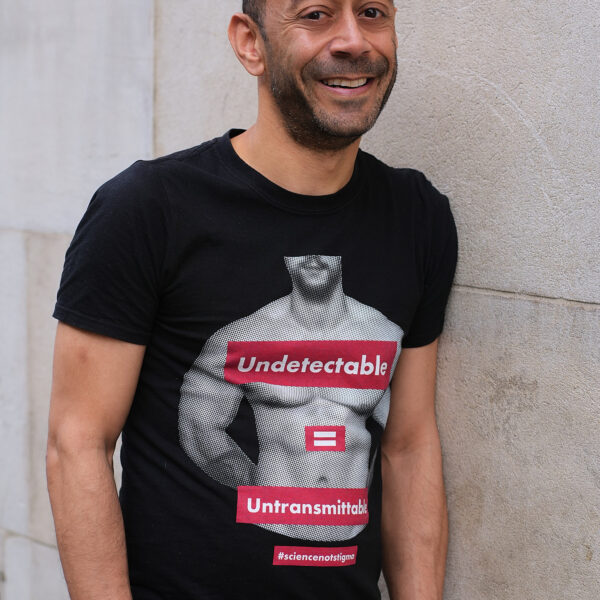
I strongly believe in U=U and continue to advocate for it. It has changed how we speak
about HIV and how we understand it. For me personally, it did not change how I lived, but it
gave me language clarity, certainty, something grounded in truth.
I did not expect the life I have lived. But I am still here.
And that, in itself, is something I never take for granted.
Share this story on: