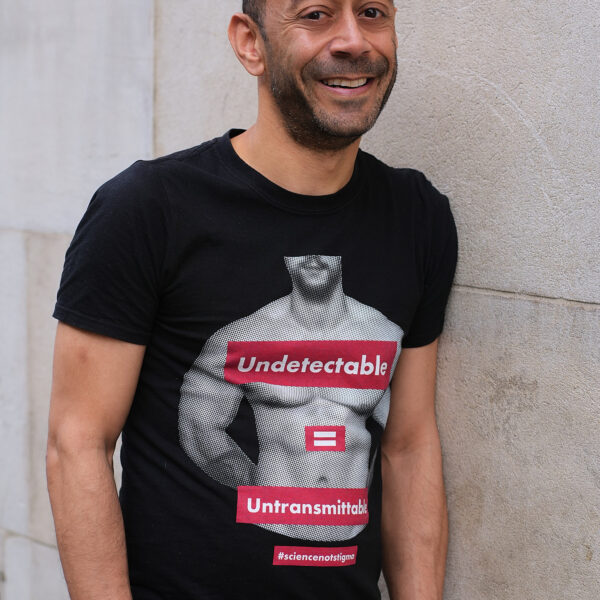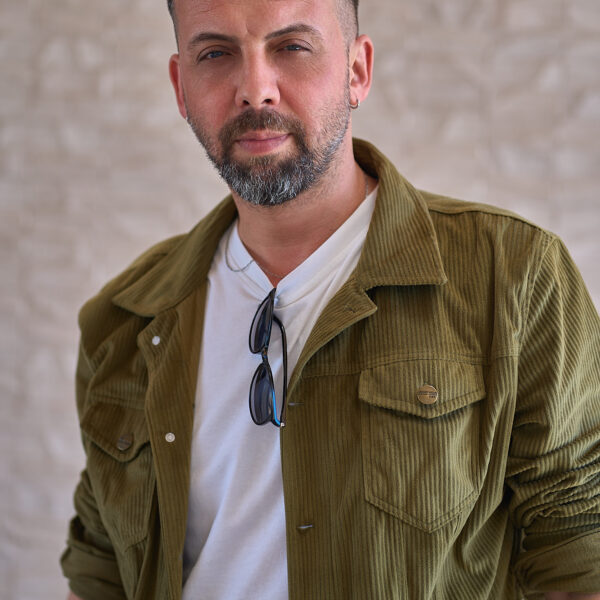
Kagan
My name is Kagan, and my work has always been…
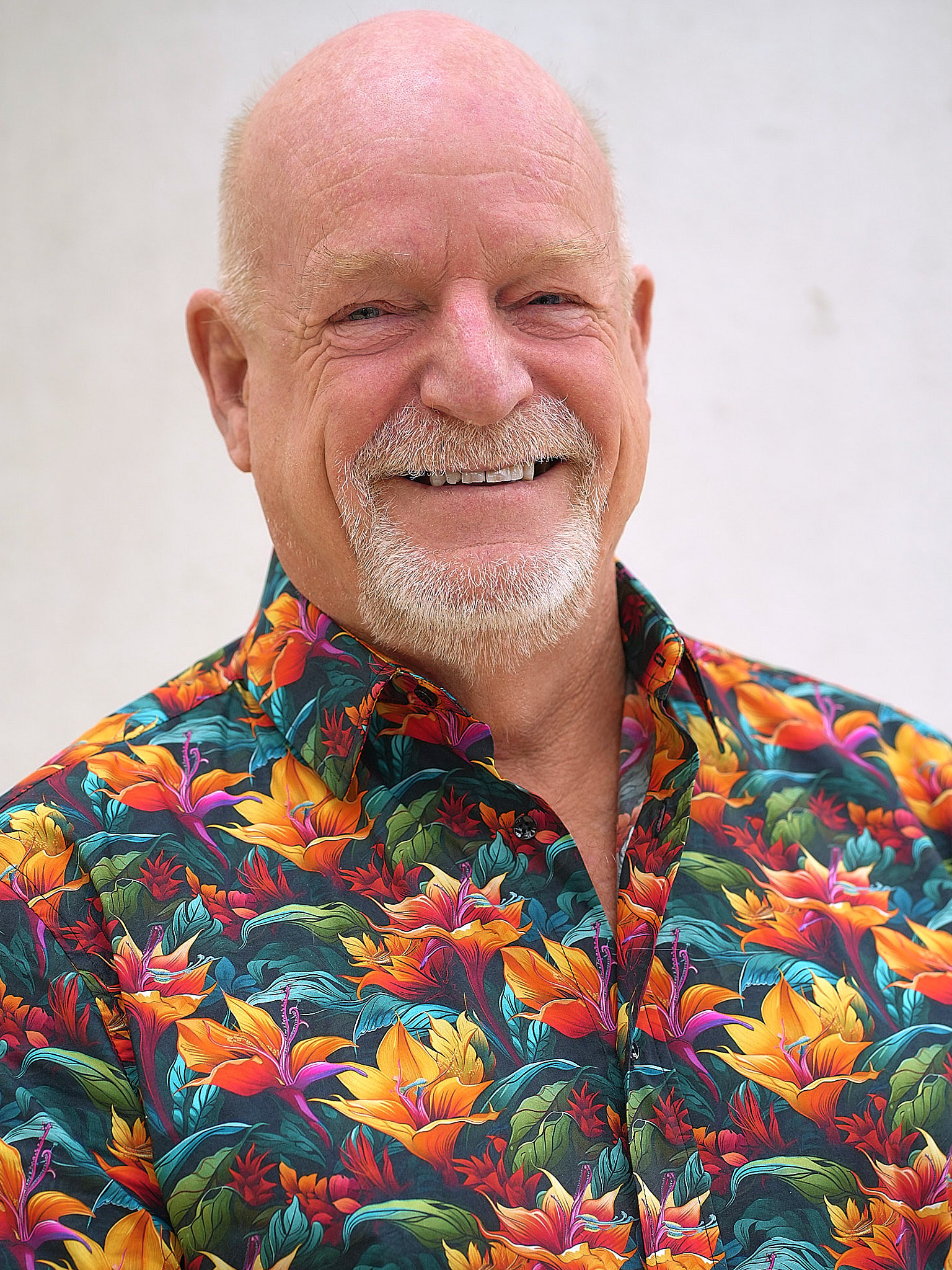
Alan, “Don’t talk about HIV. Talk about me.”
My Name is Alan Spink, and I work at the Sussex Beacon in Brighton. It was built in the early 90s, at a time when Brighton and Hove had twelve times the national average of people living with HIV. It was the worst in the whole of Europe. It just descended on us. I was living there then, and I lost a huge number of friends.
The community rose in response. It formed something out of grief and urgency. People started raising money lots and lots of money until the NHS gave a piece of land in the north of Brighton. That’s where the Sussex Beacon was built.
It began as a hospice. A ten-bedded unit. A safe, dignified place for people to go and die. Because in those days, hospices wouldn’t take us. Hospitals were unbearable, with people dying in awful wards, isolated, away from everyone else. There was a mortuary in the basement. A viewing room. People would come in for day services, get sicker, move upstairs, and when they died, they were taken straight down.
It was grim. Really grim.
And for many of us, HIV was already personal long before it became our own diagnosis.
My partner at the time became sick while the Beacon was being built. He died in 1993 from PML. I had tested before he died. It was negative. I continued testing regularly after that.
So when I was diagnosed in 2003, it came as a complete shock.
Three months earlier, I had a negative test.
My positive result was a bolt out of the blue.
I have no idea where it came from. I stopped trying to figure that out a long time ago. But what stayed with me was not just the diagnosis; it was what followed.
At the point of diagnosis, I became the absolute master of self-stigma.
I retreated from society. I gave up my career. I didn’t want to speak to anybody. I didn’t want anyone to know anything about me. I was absolutely petrified that people would find out that I was HIV positive.
I was a network management consultant in the City of London, working with blue-chip companies on high-end systems. A very successful career.
And it came to a juddering halt.
I disappeared.
And I stayed like that for years.
It wasn’t the virus that did that.
It was what I believed about myself because of it.
Everything changed slowly.
Medication improved. People started living longer. And services like the Beacon had to evolve.
Now, I manage the community team. There are six of us, three living with HIV, three not, but we are a family. A genuinely close-knit unit. We look out for each other, and we look after our clients.
Because HIV now it’s not really about the virus.
It’s about society.
It’s about stigma.
And most of all, it’s about self-stigma.
We run day services, exercise programmes, women’s and families’ groups. We go into people’s homes. We support them in every aspect of their lives. This year alone, we’ve worked with over 500 people across Sussex. And it doesn’t stop. Every day there’s another referral.
What I see, again and again, is not just stigma but self-stigma.
I’m so bored of hearing people talk about stigma in society. You can spend millions on that. Billions. But if you don’t address self-stigma, it’s pointless.
Because I know what it does.
I lived it.
It took years before anything shifted for me. And when it did, it didn’t come from being told I was okay. It came from understanding.
I trained as a peer mentor. I learned about the virus. I learned how it works, how treatment works, and how it lives in the body.
And for the first time, I felt a sense of control.
That understanding became a turning point.
From there, everything changed.
I moved from isolation into connection. From fear into purpose.
I became a caseworker at the Beacon, and now I manage the community team. But more than that, I work alongside people who are where I once was.
And that’s why everything we do is about empowerment.
We train peer supporters, people with lived experience. People who understand not from theory, but from life. We’ve built something rooted in connection, honesty, and trust.
I’ve seen what happens when someone begins to see themselves differently.
I ran a project called Drag Queen for a Day, pairing people living with HIV who were struggling with self-esteem with local drag queens. Over three days, they transformed not just outwardly but also internally, and stood on stage together.
The change in self-confidence was remarkable.
Because what we’re really working with isn’t just HIV.
It’s what HIV has done to how people see themselves.
It fractures something.
And I don’t think we talk about that enough.
We say people are difficult. We say it’s ego. But I don’t think it is. I think it’s what decades of stigma do to a person. It makes you defensive. Cautious. Guarded.
That’s not personality.
That’s survival.
So when I meet someone, I don’t ask, “How’s your HIV?”
I ask, “How are you?”
What was your day like? How can I help you?
Because that’s what matters.
We’ve spent years focusing on the message that people living with HIV can’t pass it on. And that’s important. But I don’t think it should be the main message anymore.
Don’t talk about HIV.
Talk about me.
Because people don’t need to be reduced to a diagnosis. They need to be seen.
Properly seen.
And that’s what we try to do at the Beacon, every single day.
When someone is newly diagnosed, frightened, overwhelmed, thinking they’re going to die, I tell them:
Don’t panic. You’re not going to die.
Learn about it. Understand it. Take your treatment. Talk to people who know what it feels like.
And then I tell them two things.
First, you’re about to receive the best medical care of your life.
And second, you can stop worrying about getting HIV.
It usually makes them smile.
And that’s always my aim.
To make someone smile.
Because I know what it feels like to be in that dark place.
And I know what it takes to come out of it.
Even just once, if someone smiles, something shifts.
And in that moment, they realise
They’re still here.
And they’re going to be okay.
Share this story on: