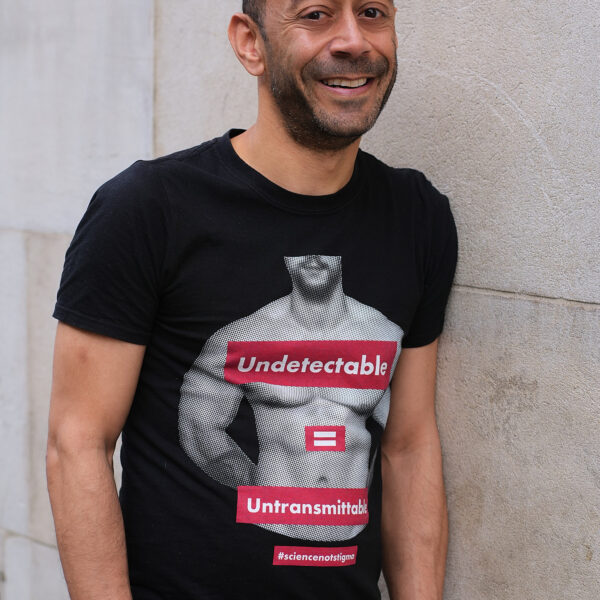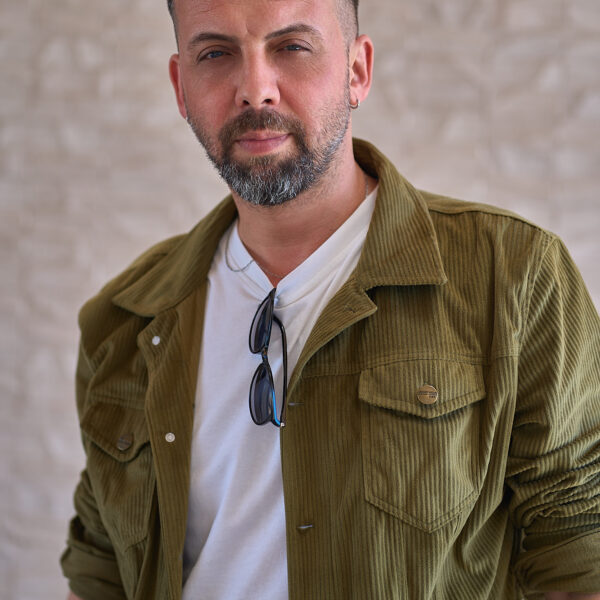
Kagan
My name is Kagan, and my work has always been…
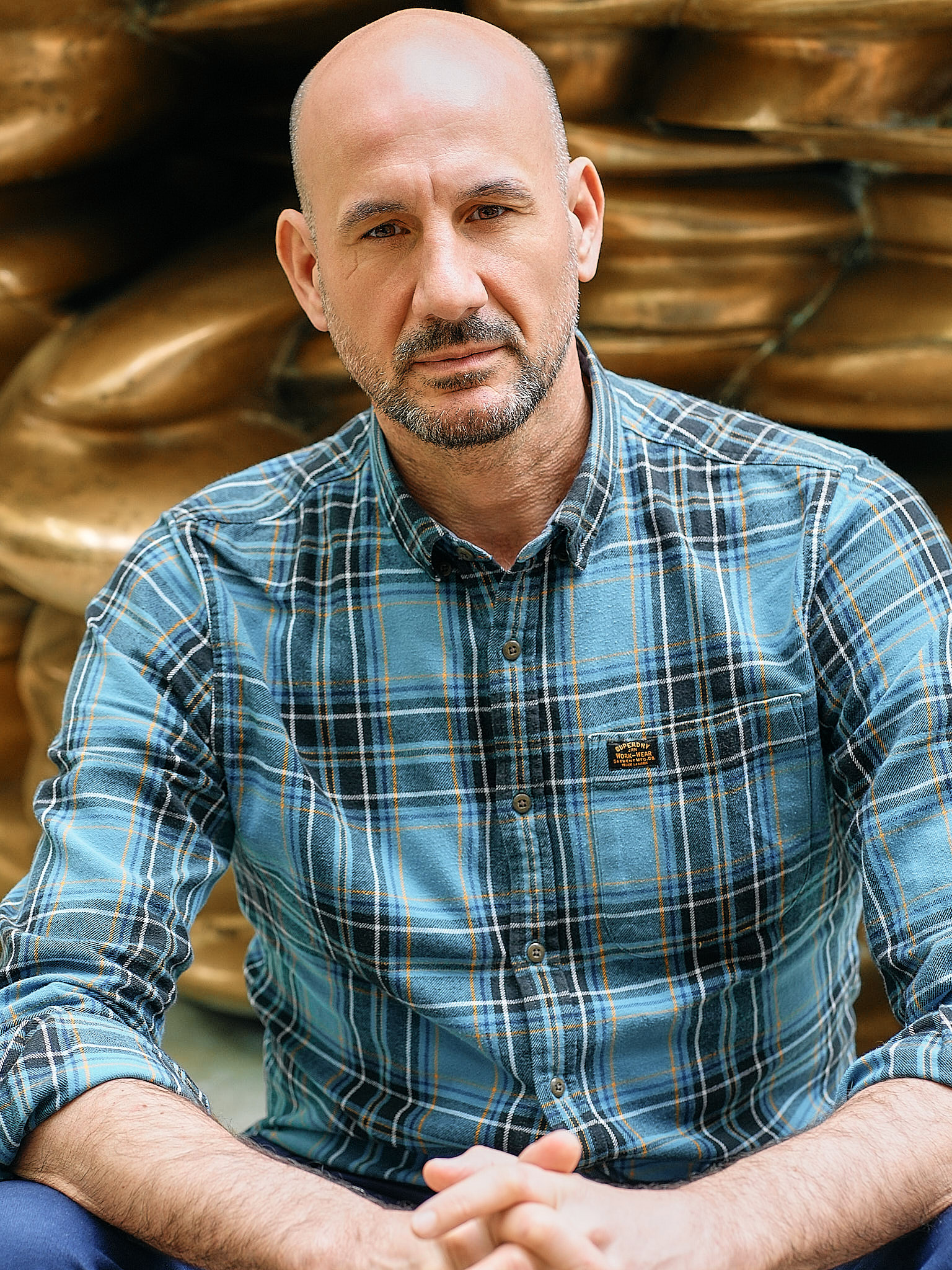
My name is Saul, and I am neurodivergent. I was diagnosed with autism and ADHD last year, and in many ways, that diagnosis gave language to things I had carried for a long time without fully understanding. It helped me make sense of parts of myself that had always felt intense, different, and difficult to explain.
I was diagnosed with HIV in July 2008, while I was living in Leeds. At the time, I had been in England for about three years and was working as a restaurant manager in Yorkshire. My diagnosis was not something I anticipated. It came into my life suddenly, through what I thought would be a routine sexual health check.
I had been in Manchester when outreach workers offered screening. They were not testing for HIV then, but I tested positive for chlamydia and was advised to go to Leeds Hospital for a full sexual health screen, including an HIV test. I went on a Friday morning. They told me they would call later that day with the result.
The call did not come.
I remember the growing anxiety of those hours. I was due to work that evening, waiting and watching the clock, trying to hold myself together. In the end, I called them. They apologised for the delay and asked me to come in. The moment they said that, I knew something was wrong.
I drove myself to the hospital. I can still remember walking into the room and seeing three people there waiting for me. Even before anyone spoke, I understood that my life was about to change.
At that time, I did not know very much about HIV. I had tested in Portugal before moving to England, so I knew this diagnosis had happened during my time in the UK. But there was another layer to my story too, one I carried quietly for years.
Around that period in my life, I experienced sexual violence. For a long time, I did not even have the words to call it what it was. It took me many years to fully understand what had happened to me, and even longer to begin processing it. Shame has a way of silencing you. It isolates you from your own truth. I do not know with certainty if that was how I acquired HIV, but it is part of my story, and for a long time, it was a part I held in silence.
The day I was diagnosed, everything changed.
I left the clinic in complete shock and still tried to go to work that evening. Physically, I was there, but mentally I was gone. I was numb. My area manager was the first person I told. When I finally said the words out loud that I had been diagnosed with HIV, her reaction was deeply hurtful. It was not compassion. It was not cared. And in that moment, when I was at my most vulnerable, it reinforced every fear I did not yet know how to speak.
That reaction stayed with me.
It made me retreat. It made me afraid to tell people. It made me feel even more alone in something I had barely begun to understand myself.
That same day, I made a sudden and radical decision. I packed my belongings into my car and left. I did not return for my wages, my tips, or any kind of closure. I simply left and went to stay with friends by the sea. I did not tell them what had happened. I needed space. I needed silence. I needed to disappear for a while and try to absorb the enormity of what I had just been told.
For a long time after that, I was not engaged in care. Back then, treatment was approached very differently. I moved, changed my phone number, and lost contact with services. Looking back now, I can see that I was overwhelmed, traumatised, and deeply in denial. I was trying to survive in the only ways I knew how.
I moved through different parts of England, taking on jobs, trying to keep going, trying to outrun what had happened to me. Eventually, I came to London. But by then, I was carrying far more than my diagnosis. I was carrying trauma, grief, shame, and a growing sense of disconnection from myself.
There was a period in my life when I became very lost. I began self-medicating. I entered difficult situations and unstable relationships. I experienced homelessness. I was trying to function on the outside while falling apart internally. It was a chaotic and painful time, and at times I felt completely untethered.
What changed my life was finding community.
Being connected with Positively UK and Positive East marked a turning point for me. For the first time, I was around other people living with HIV. For the first time, I did not feel so alone in it. I began to face my diagnosis properly. I began to process what had happened to me. I began, slowly, to come back to myself.
That support was transformative.
What is remarkable to me now is that the very world that once felt frightening and alien eventually became the place where I found purpose. Over time, I began doing the same kind of outreach work that had first led to my own diagnosis. I became involved in HIV testing, prevention, and peer support. I volunteered, then later became a staff member. I worked in sexual health outreach with LGBT communities, speaking to people in bars, clubs, saunas, and community spaces, often in environments that mirrored parts of my own journey.
That work was not theoretical to me. It was lived. It came from experience. From pain. From survival.
Alongside that, I returned to education. I studied first at college and later completed a degree in Cognitive and Clinical Neuroscience at the University of Westminster. It was not an easy road. I struggled with focus, structure, and the demands of academic life, only later realising how deeply my neurodivergence had shaped that experience. But I persisted. I kept going. Completing that degree meant a great deal to me, not only academically, but personally. It was proof that I could rebuild.
Today, I work in peer support for people living with HIV with complex needs. I support people who may be newly diagnosed, overwhelmed, traumatised, disconnected from care, struggling with mental health, substance use, housing insecurity, or the emotional weight of stigma. Some are migrants. Some are seeking asylum. Some were born with HIV. Many are carrying stories that are layered, painful, and difficult to hold alone.
When someone sits in front of me after a new diagnosis, frightened, shocked, unsure if life will ever feel normal again, I recognise that space. I know it. I remember it.
So the first thing I try to offer is calm.
I do not overload people with information. I try to meet them gently. I talk about self-care. I help them understand that HIV is a serious chronic condition, yes, but it is also manageable. I speak about treatment, adherence, becoming undetectable, and the hope that exists now in ways that did not exist before. Sometimes I share parts of my own story, because lived experience can reach people in a way facts alone cannot. It lets them see that there is life after diagnosis. There is dignity after diagnosis. There is a future after diagnosis.
I also remind people that they still have choices. They do not owe disclosure to the world. Their story remains theirs. Their dignity remains theirs. Their voice remains theirs.
Stigma, however, is still with us.
I have experienced it in healthcare settings, including in deeply inappropriate and humiliating ways. I have experienced it socially, intimately, and within the LGBT community itself. I have had people reject me simply because I was honest about living with HIV, even when I was undetectable, even when the science was clear, even when I was trying to educate with openness and respect.
That kind of rejection leaves a mark.
What is painful is not only the ignorance itself, but the fact that it can come from spaces where you hope for understanding. HIV stigma is not always loud. Sometimes it appears in silence, avoidance, mishandled disclosure, a step backwards, or a look on someone’s face. Sometimes it comes from people who should know better.
And yet, despite all of that, I have continued to speak.
Activism has become an important part of my life and identity. I am involved with ACT UP, and that matters deeply to me. I have stood on the front line, spoken publicly, written letters, protested for justice, and demanded access, dignity, and visibility for people living with HIV. There is something powerful about turning survival into action. About refusing to disappear. About insisting that our lives, our needs, and our truths matter.
I have lived through trauma, stigma, addiction, homelessness, grief, and profound isolation. But I have also lived through recovery, connection, learning, advocacy, and service. I have built a life that is rooted not only in survival, but in solidarity.
Music has stayed with me throughout it all. The Cure and U2 have been part of my life for as long as I can remember. They hold memory, comfort, and continuity for me. In different ways, they have always been there.
My story is not simply one of diagnosis. It is a story of rupture, but also of rebuilding. It is a story of pain, but also of purpose. It is a story of being broken open by life, and of slowly, stubbornly, finding a way to remain soft, human, and present within it.
I have been through a great deal. But I am still here.
And now, through the work I do, I try to stand beside others as they find their own way through.
Share this story on: