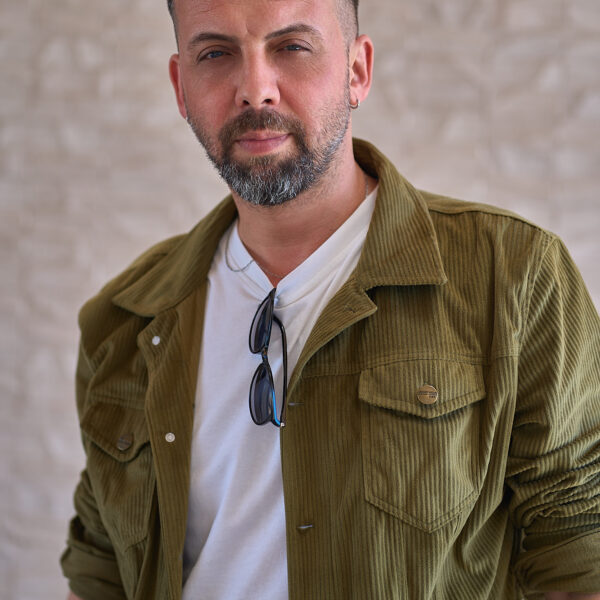
Kagan
My name is Kagan, and my work has always been…
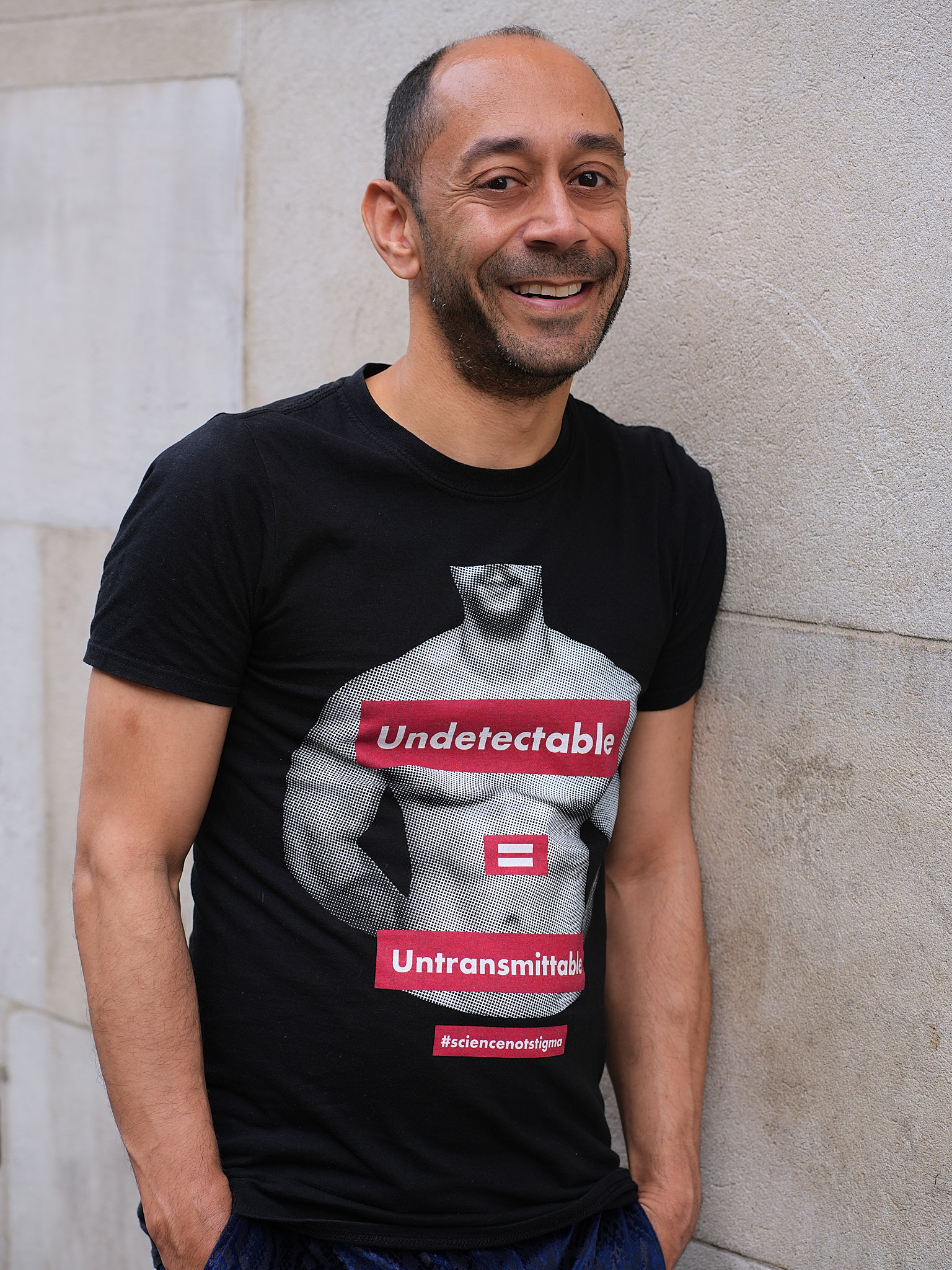
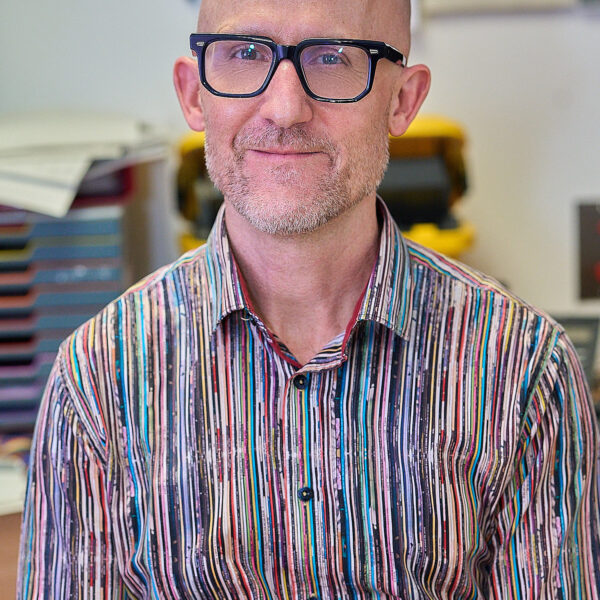
My name is Ant Babajee. I’m 48 years old, and I’ve been living with HIV since 2007.
I was someone who tested regularly. In August 2006, my result was negative. A couple of months later, I had what I would describe as a risky encounter. Not long after, I became unwell. It felt like the flu, but not the flu I recognised. Something about it felt different, and I remember thinking at the time that this might be seroconversion.
I was living in Somerset then, where I grew up. It’s a rural part of the country, and at that time, accessing an HIV test wasn’t straightforward. There were no postal kits, no rapid finger-prick tests, nothing easily accessible. It took months to arrange time off work and attend a clinic.
Just before Christmas 2006, I finally took the test. On the 2nd of January 2007, at 9:30 in the morning, I received the call. The person on the phone tried not to say the words, but I already knew. That moment has stayed with me. It’s the date I consider my anniversary.
That evening, I told my parents. They are both mental health nurses. At the time, I was in a long-distance relationship, and although it had already begun to fracture, my diagnosis created a further divide. It was a difficult and complex period in my life.
But what I remember most clearly is something unexpected: relief.
I knew, even then, that treatment existed. I knew I had been diagnosed early. I knew, medically, I would be okay.
Over the years, I’ve often described it like this: antiretroviral treatment heals your body, but it doesn’t automatically heal your soul.
HIV can be deeply isolating. Many people carry it as something secret, something shameful. It becomes tangled up in ideas of blame, morality, or judgment. But HIV is a virus. It is treatable, manageable, and it is not a reflection of a person’s worth.
Understanding that intellectually is one thing. Truly believing it, feeling it is something else entirely.
For me, a turning point came when I found peer support through the Terrence Higgins Trust. Meeting others who were living with HIV was transformative. For the first time, I was able to speak openly with people who understood not just clinically, but emotionally. It helped me realise that the fears, the questions, the doubts I carried were not mine alone.
That experience shaped my belief in the importance of peer support. There is a profound difference between being told you will be okay and speaking to someone who truly understands what that means.
Before my diagnosis, I was working as a journalist with the BBC. I was already navigating challenges with my mental health, and I was fortunate to have access to counselling. One conversation in particular stayed with me. I was told, very simply, “You will be okay.” Sometimes, that is exactly what a person needs to hear.
What I have come to understand is this: HIV does not change who you are. I am the same person I was before my diagnosis. HIV is a part of my life, but it does not define me. At its most basic level, it is a blood result.
And yet, despite everything we know, people living with HIV are still often dehumanised. They are spoken about rather than listened to. They are reduced to a diagnosis instead of being recognised as whole individuals.
That is why visibility matters.
That is why I have chosen to use my voice.
Through my work in public health, advocacy, and with my trade union, I have tried to challenge outdated narratives and stigma, particularly in spaces where they persist, including healthcare and the workplace. Progress has been made, but there is still work to do.
If there is one thing I would want someone newly diagnosed to know, it is this:
You are still the same person you were yesterday. You just happen to have a virus.
You will get through this. It will become easier. And you do not have to do it alone
Share this story on: