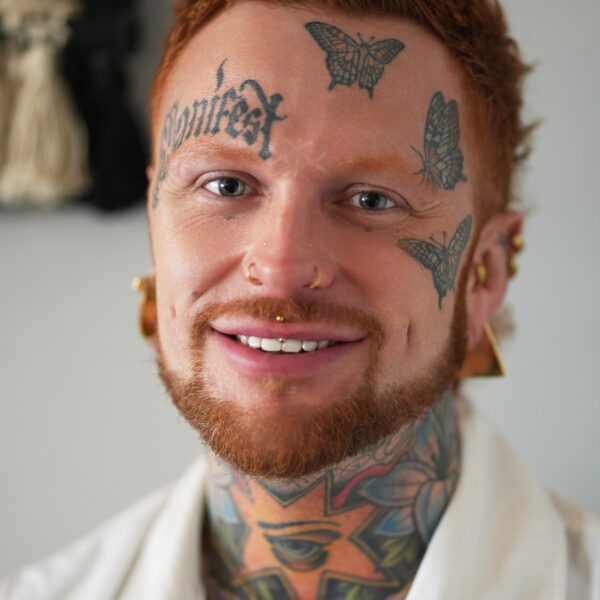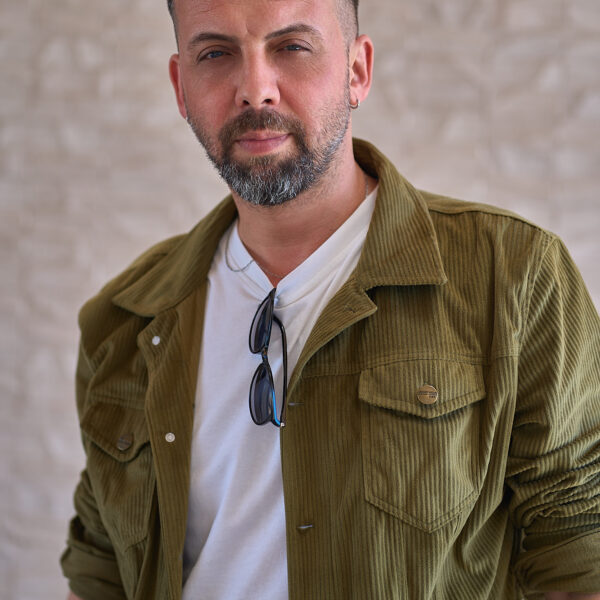
Kagan
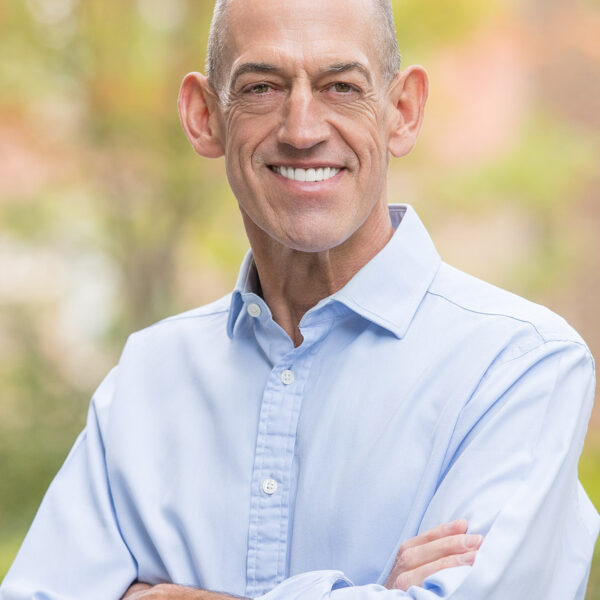
My name is Kagan, and my work has always been…
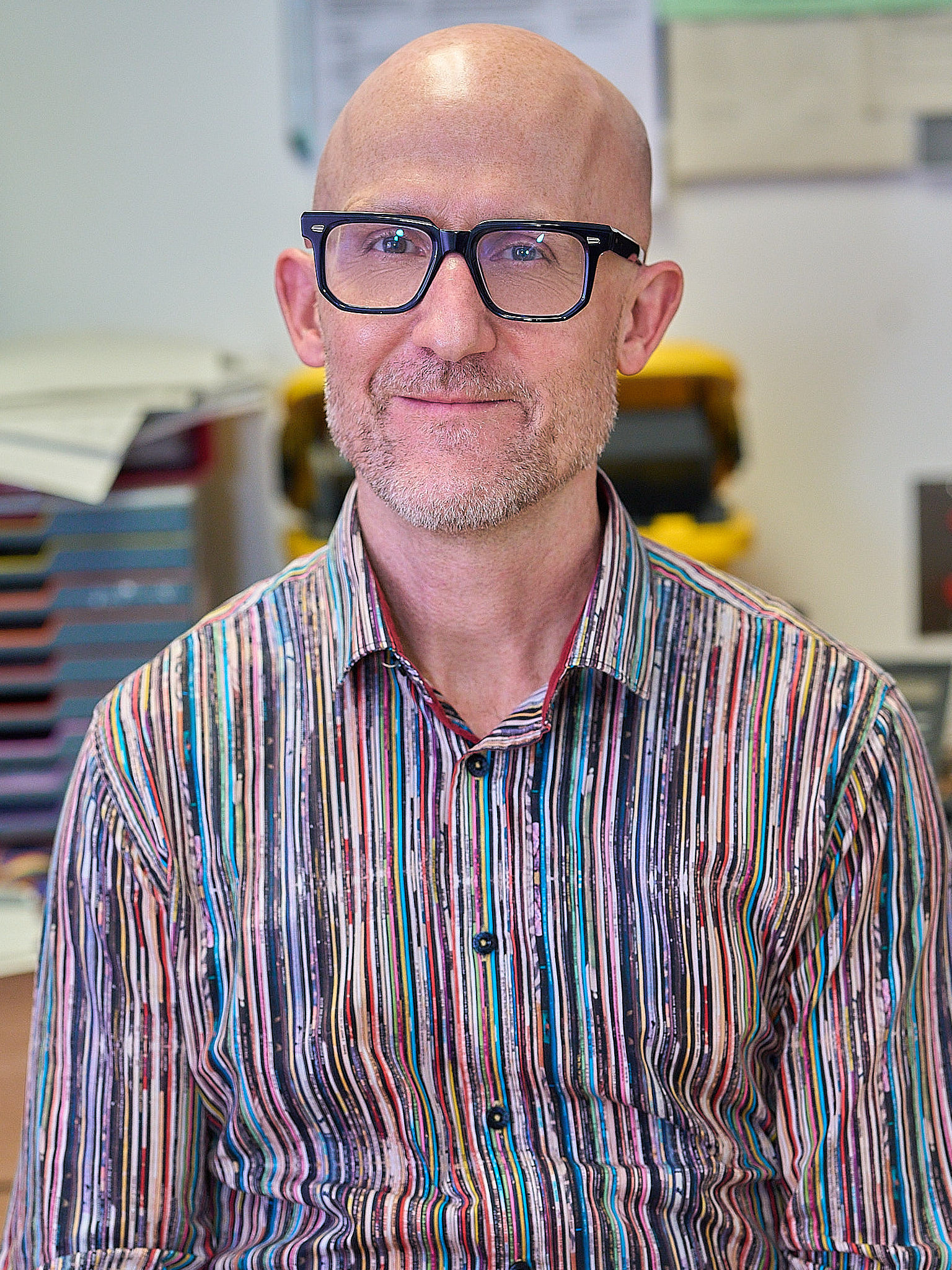
Dr. Tristan Barber
There is a certain irony in the fact that my life in HIV medicine and my life with HIV began almost simultaneously.
I am an HIV physician at the Royal Free Hospital in London and currently serve as Chair of the British HIV Association. Every day, I have the privilege of caring for people living with HIV, supporting them through some of the most significant moments of their lives. Yet my understanding of HIV is not drawn solely from textbooks, clinical guidelines or years of medical practice. It is also deeply personal. For more than twenty-four years, I have lived with HIV myself.
My diagnosis came in 2002 while I was working in my very first post in sexual health and HIV medicine. Shortly after a work social event, I became unexpectedly unwell. Initially, it appeared to be a severe viral illness, but something about it didn’t feel right. I trusted my instincts, arranged an HIV test, and discovered I was in the earliest stage of HIV infection.
Looking back, I realise how fortunate I was. Few people receive a diagnosis so early. Because the infection had been identified within weeks of acquisition, I was invited to take part in a pioneering clinical trial investigating whether immediate treatment during primary HIV infection might fundamentally alter the long-term course of the virus. It was an extraordinary period in HIV research, driven by optimism and scientific curiosity. Although the study did not produce the outcome researchers had hoped for, I have never regretted participating. Progress in HIV medicine has always depended on people willing to contribute to research, and I remain proud to have played a small part in that journey.
People often expect me to describe my diagnosis as the darkest day of my life.
The truth is more complicated.
My first emotion was relief.
That may sound surprising, but for years, HIV had occupied a quiet space in the back of my mind. Growing up as a young gay man during the late 1980s and early 1990s meant growing up in the long shadow of the AIDS epidemic. Although I belonged to a generation that arrived just as effective treatment was beginning to emerge, I was surrounded by stories of fear, loss and uncertainty. HIV was something you worried about constantly. It shaped conversations, relationships and expectations for the future.
When I finally heard the diagnosis, something unexpected happened. The fear of the unknown disappeared. The question that had lingered in the background for so long had finally been answered. Instead of imagining endless possibilities, I was suddenly dealing with something real, something that medicine was increasingly able to treat.
The sadness came later.
Once the initial shock had settled, I experienced what many people experience after any life-changing diagnosis: grief for the life you imagined, reflection on the choices you have made and an awareness that some things cannot be undone. Those emotions were real, but they did not define my future. Instead, they gradually gave way to acceptance, resilience and purpose.
I often think back to the conversation I had with my parents after my diagnosis. Wanting to reassure them, I confidently said that I would almost certainly live long enough to celebrate my fortieth birthday. At twenty-seven years old, forty felt like a distant future. My mother remembers that conversation very differently. To her, forty sounded heartbreakingly young. Today I have lived well beyond that milestone, healthy, active and deeply grateful to have witnessed one of the greatest transformations in modern medicine.
When I first entered HIV medicine in the mid-1990s, combination antiretroviral therapy had only recently changed the outlook for people living with HIV. Every year seemed to bring another breakthrough. Treatments became more effective, less toxic and easier to take. The conversations we had with patients slowly shifted from preparing people for serious illness to helping them plan for careers, families, retirement, and long, fulfilling lives.
To have lived through that transformation not only as a doctor but also as someone receiving that same care has been an extraordinary privilege.
It has profoundly shaped how I practise medicine.
Every consultation reminds me that behind every blood result, every clinic letter and every treatment plan is a person trying to make sense of their own life. Medicine is about science, but it is equally about listening, understanding and building trust.
When someone sits in front of me having just been diagnosed with HIV, I know that the next few minutes may remain with them for the rest of their life.
It is a responsibility I never take lightly.
People often arrive overwhelmed by fear. Many still carry outdated images of HIV from decades ago. Some believe they are about to lose their health, their relationships, their careers or their future altogether.
One of the first things I tell them is that this is going to be okay.
Not because I want to offer false reassurance, but because the evidence allows me to say those words with confidence.
Modern HIV treatment is one of medicine’s greatest success stories. Someone diagnosed early, who begins treatment promptly and remains engaged in care, can now expect to live a normal life expectancy. They can build careers, have families, travel, fall in love and make plans for decades ahead. HIV no longer defines what someone is capable of achieving.
That does not mean the journey is always easy.
Receiving an HIV diagnosis still carries an enormous emotional impact. People often need time to process what they have heard. Many struggle with shame or fear of rejection long before they ever have to face stigma from anyone else. Psychological adjustment can sometimes be far more challenging than medical management.
This is why I have always believed that excellent HIV care extends far beyond prescribing medication.
It means creating an environment where people feel safe, respected, and genuinely listened to. It means offering access to psychologists, specialist nurses, peer support workers and community organisations that understand the realities of living with HIV. It means recognising that healthcare is not simply about treating a virus; it is about supporting a human being.
That philosophy has become one of the defining strengths of HIV medicine.
We have built services that are compassionate, collaborative and deeply person-centred. They are services where people know they will be treated with dignity, where questions are welcomed and where nobody has to face their diagnosis alone. I often think that many other areas of healthcare could learn from this model.
Some of the most rewarding moments in my career happen months after diagnosis.
A patient who first walked into the clinic frightened, unable to imagine a future, returns smiling, healthier, and more confident, beginning to reclaim their life. Watching that transformation never becomes ordinary. It reminds me why I chose this profession in the first place.
Despite the remarkable progress we have made, one challenge continues to concern me.
Too many people are still diagnosed later than they should be.
In almost every case, late diagnosis represents a missed opportunity. HIV is entirely treatable when identified early, yet people continue to become seriously unwell because testing was never offered or because outdated assumptions prevented someone from considering HIV as part of routine healthcare.
This is why I believe we must change how society thinks about HIV testing.
Testing should not be linked to judgment or assumptions about someone’s sexuality, identity or perceived lifestyle. It should become as routine as measuring blood pressure, checking cholesterol or screening for diabetes. Knowing your HIV status should be regarded as another normal part of looking after your health.
Normalising testing does more than diagnose HIV earlier.
It reduces stigma.
It opens conversations.
It encourages understanding.
Most importantly, it saves lives.
If I could leave people with one message, it would be this:
HIV today is not the disease that so many people still imagine.
Science has transformed what it means to live with HIV, but science alone is not enough. We must also transform attitudes, challenge stigma and ensure that everyone feels able to access testing and care without fear or judgement.
My own journey has shown me that HIV does not have to limit a person’s ambitions, identity or future.
It has given me a unique perspective, allowing me to understand both the science of HIV and the human experience of living with it. That perspective has shaped the doctor I have become and continues to remind me that every person who walks through the clinic door deserves not only excellent medical care but also compassion, dignity and hope.
Because ultimately, HIV is no longer about surviving.
It is about living well.
And helping others realise that they can too.
Share this story on: