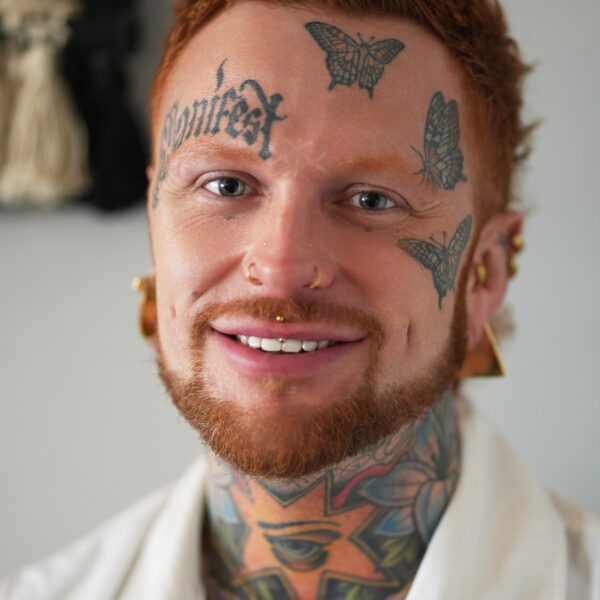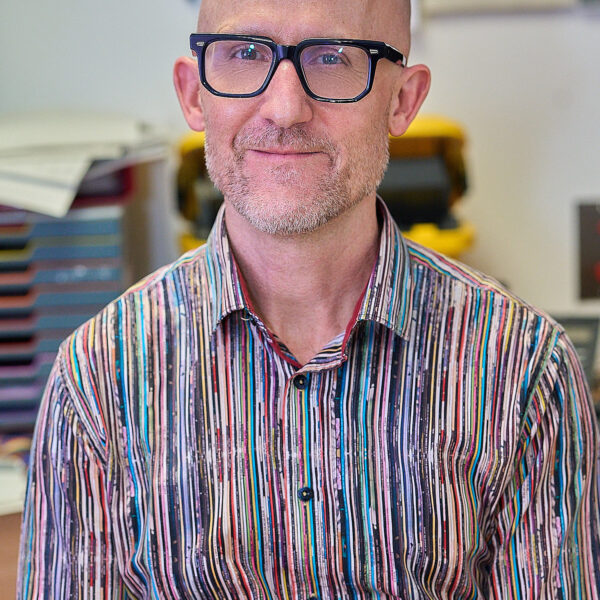
Tristan
Dr. Tristan Barber There is a certain irony in the…
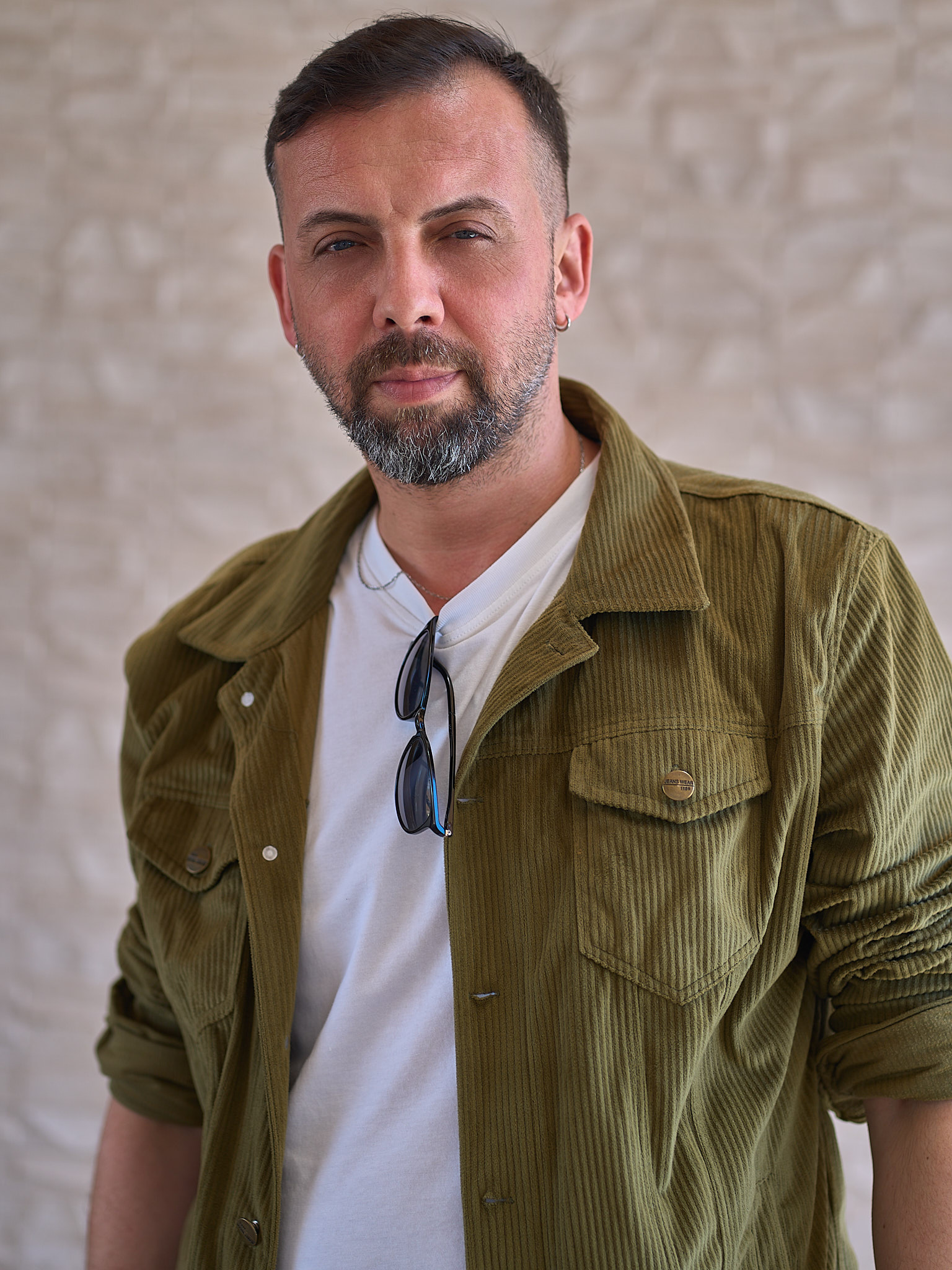
My name is Kagan, and my work has always been rooted in one belief: that knowledge can protect people.
As a psychology specialist, educator, researcher and HIV advocate, I have spent many years working at the intersection of health, human behaviour and civil society. I have seen how fear can shape people’s lives, but I have also seen how the right information, offered with compassion, can help someone breathe again.
In Turkey, working in the field of HIV requires more than professional knowledge. It requires courage, patience and a deep understanding of how stigma operates. Sometimes stigma is loud and visible. Other times, it is hidden inside systems, language, silence and fear.
That is why I have dedicated much of my work to education.
Before becoming involved in advocacy, I worked in organisational development and healthcare training. My role was to build capacity among professionals, including nurses, healthcare workers and managers. I helped design training programmes for people working with vulnerable communities, including people affected by HIV, LGBTQ individuals, people with terminal illness and their families.
For me, training was never simply about transferring information. It was about changing behaviour. It was about helping professionals understand that the way they speak, react and respond can either deepen someone’s fear or help restore their dignity.
Over time, I became increasingly involved in Turkey’s HIV civil society movement. I worked with community organisations, supported peer-led initiatives and helped create educational structures that could reach people who were frightened, isolated or newly connected to HIV services.
Eventually, together with colleagues, I helped establish Red Ribbon Istanbul. We wanted to create an organisation that could bring Turkey’s HIV response into a wider international conversation. Our aim was not to compete with existing organisations, but to strengthen the field, increase visibility and show that Turkey had voices, knowledge and experience to contribute.
My work has taught me that people need more than medical facts. They need language. They need reassurance. They need someone to tell them that fear is not the end of the story.
As an organisational psychologist, I understand how powerfully negative information can shape the mind. When people search online and find outdated or frightening material, that fear can quickly become overwhelming. One of the first things I often say is: do not let the internet define your reality. Find reliable information. Speak to professionals. Follow medical advice. Protect your mental well-being.
For me, HIV advocacy is not only about medicine. It is about psychology, community and justice. It is about building systems that do not leave people alone at the moment they most need support.
I believe the HIV field needs more collaboration, less competition and fewer barriers between organisations. Civil society exists to serve people, not egos. Every organisation has a piece of the picture, but we need to bring those pieces together to create real change.
My hope is that we continue to build a movement rooted in dignity, evidence, and compassion. People affected by HIV deserve accurate information, respectful care and communities that do not turn away from them.
I have learned that resilience is not always dramatic. Sometimes it is simply continuing the work, one conversation at a time, even when the system is difficult and the environment is unsafe.
This work has shaped me deeply.
It has taught me that knowledge can reduce fear.
Compassion can restore dignity.
And leadership is not about being the loudest voice in the room. It is about creating conditions where others can finally be heard.
Share this story on: