Kagan
My name is Kagan, and my work has always been…
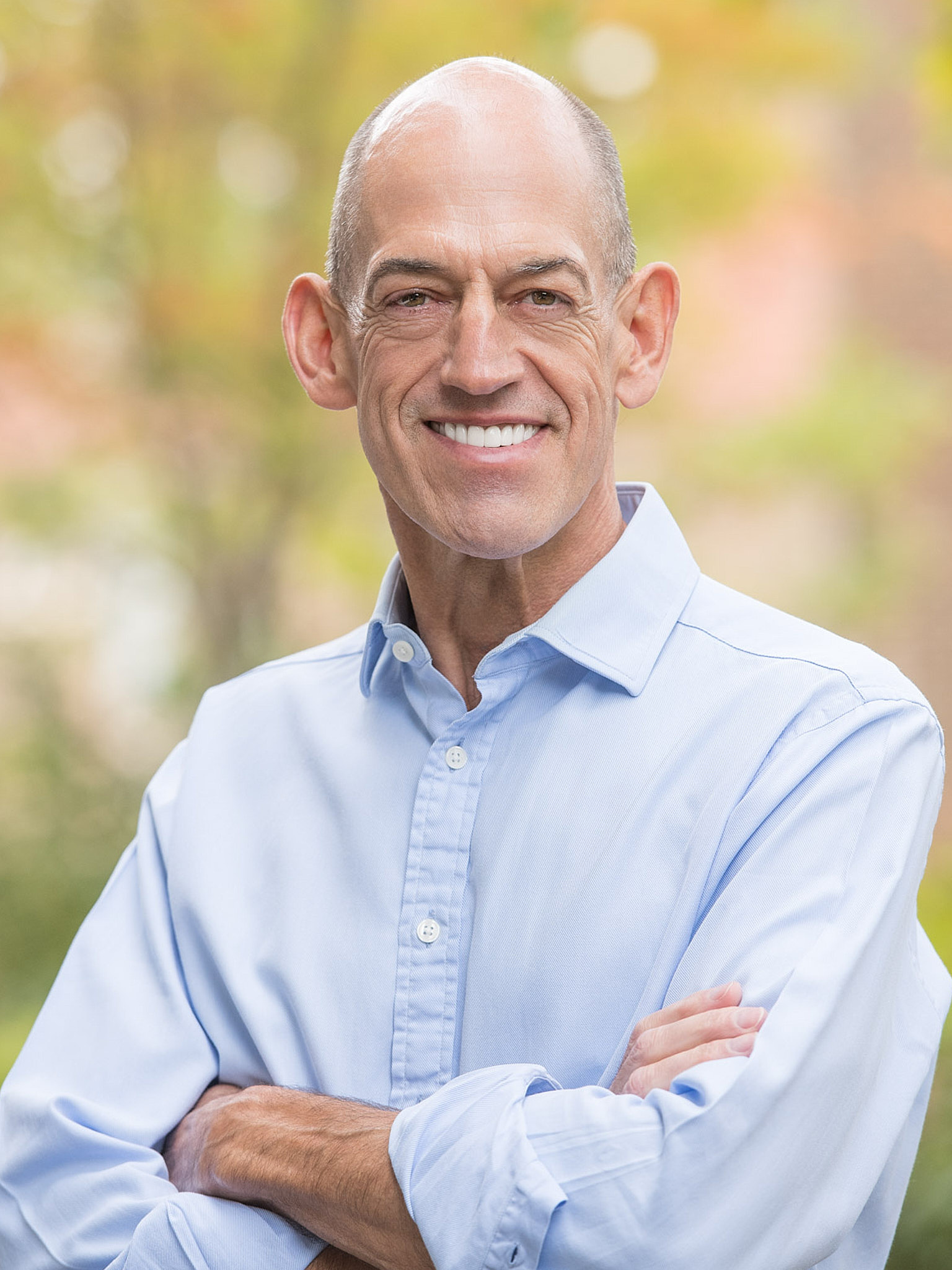
For forty-six years, I had the privilege of serving as an officer in the Royal Navy. It wasn’t simply a career; it was my identity. The Navy gave me purpose, discipline and a deep sense of belonging. I was proud to wear the uniform and proud to serve my country. Looking back, however, I realise that military life taught me something else just as profoundly. It taught me how to live with secrets.
When I joined the Armed Forces in the late 1970s, being gay was a criminal offence within the military. Men and women were investigated, interrogated and dismissed simply because of who they loved. Careers ended overnight. Lives were turned upside down. Like so many others, I quickly learned that survival depended on silence.
For years, I lived two lives. Every conversation was carefully measured, every friendship cautiously navigated. I became skilled at revealing just enough of myself to fit in, while hiding the part that could have cost me everything. It was exhausting, but it became normal. Secrecy became second nature, and I convinced myself it was simply the price I had to pay for doing the job I loved.
When the ban on homosexuality in the military was finally lifted in 2000, it felt as though a weight I had carried for decades had finally been lifted from my shoulders. For the first time, I slowly began to let people see the real me. I genuinely believed that chapter of my life was over.
I had no idea another one was about to begin.
In 2002, during what I expected to be a routine sexual health screening, I was diagnosed with HIV.
The diagnosis came completely out of the blue. Only three months earlier, I had tested negative after believing I might have been exposed to the virus. When I was told I was HIV positive, I struggled to make sense of it. Eventually, doctors concluded that my earlier test had almost certainly been a rare false negative. Medically, it explained what had happened. Emotionally, it explained nothing.
Despite the advances already being made in HIV treatment, my mind was still trapped in the fear of the 1980s. Like so many people of my generation, I had grown up watching the tombstone advertisements and hearing HIV spoken about as a death sentence. Those messages had stayed with me for years. The moment I heard the diagnosis, they all came rushing back.
I was terrified.
For months, I carried that fear almost entirely on my own. I continued going to work every day, carrying out my responsibilities as though nothing had changed, while privately trying to come to terms with a future I no longer recognised. Outwardly, I was the same officer I had always been. Inwardly, I was frightened, isolated and unsure whether life would ever feel normal again.
Then, just as I was beginning treatment, I was offered one of the greatest opportunities of my career: a posting to the British Embassy in Washington, D.C.
There was just one problem. At that time, people living with HIV were prohibited from entering the United States.
After spending more than twenty years hiding my sexuality, I found myself faced with another secret.
I made the difficult decision not to disclose my HIV status within the military medical system. I wasn’t trying to deceive anyone; I couldn’t bear the thought that another part of who I was might cost me the career I loved. For the next four years, I quietly managed my treatment by returning regularly to the United Kingdom for hospital appointments and medication before flying back to Washington.
It required planning, determination and discretion, but it also taught me something important.
HIV didn’t have to define my life unless I allowed it to.
As the years passed, my health improved dramatically. My treatment worked, my viral load became undetectable, and my CD4 count recovered. Gradually, HIV stopped being the centre of my world. It became something I managed, just like countless other people manage long-term health conditions. I stopped seeing myself as someone whose life had been taken away and began seeing myself as someone whose life had changed.
That shift in perspective transformed everything.
Years later, an administrative error unexpectedly disclosed my HIV status to the military medical system, despite my wishes for confidentiality. At first, I felt as though my greatest fear had finally come true. But, in hindsight, it became one of the most significant turning points in my life.
Once my status was known, I began to see how outdated military policies were affecting other people living with HIV. Highly skilled personnel were prevented from deploying, promotion opportunities disappeared, and careers were being limited, not because people were unwell, but because policy had failed to keep pace with medical science.
I realised this was no longer just about me.
Supporting fellow Royal Navy officer Olly Brown, I joined a campaign to modernise those policies. Together, we spoke openly about our experiences, challenging misconceptions and helping military leaders understand the human impact of outdated regulations. On World AIDS Day 2021, the Ministry of Defence announced sweeping reforms that removed many of the restrictions placed on personnel living with HIV.
Knowing that younger sailors, soldiers and aviators would now have opportunities denied to previous generations remains one of the proudest achievements of my life. Changing policy wasn’t about politics; it was about people. It was about ensuring that no one would have to believe their career was over simply because of an HIV diagnosis.
My advocacy eventually extended beyond HIV. Through Fighting with Pride, I have worked to support LGBT veterans whose lives and careers were damaged by the military’s historic ban on homosexuality. Leading the creation of the LGBT Veterans Memorial at the National Memorial Arboretum was one of the greatest honours of my life. It stands as a permanent reminder that acknowledgement, visibility and justice matter, and that history should never be forgotten.
Looking back now, I realise that the greatest stigma I ever faced wasn’t from other people.
It came from within myself.
Once I found the courage to share my story, I discovered something remarkable. The people who truly cared about me didn’t see HIV. They saw the same friend, colleague and family member they had always known. The fear I had carried for so long slowly gave way to acceptance, and acceptance eventually became confidence.
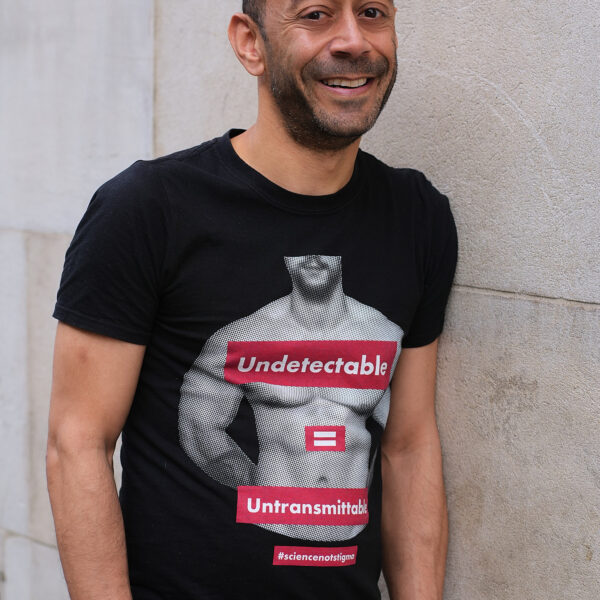
Today, I believe one of the most important messages we have is U=U Undetectable Equals Untransmittable. Those three letters represent far more than extraordinary scientific progress. They represent hope. They challenge decades of fear and misunderstanding and remind us that HIV is no longer the condition many people still imagine it to be.
If there is one thing I hope people take from my story, it is this: an HIV diagnosis does not mean the end of your dreams. It does not define your worth, your future or your ability to live a full and meaningful life.
I have travelled the world, served my country, built lifelong friendships, loved deeply, campaigned for change and continued to live a life filled with purpose.
HIV is part of my story, but it has never been the whole story.
I am a naval officer, a veteran, an advocate and, above all, a person who eventually learned that the greatest freedom comes not from hiding who you are, but from finally having the courage to live openly.
If my story helps even one person realise that there is life, hope and possibility beyond an HIV diagnosis, then every difficult step of this journey has been worthwhile.
Share this story on: