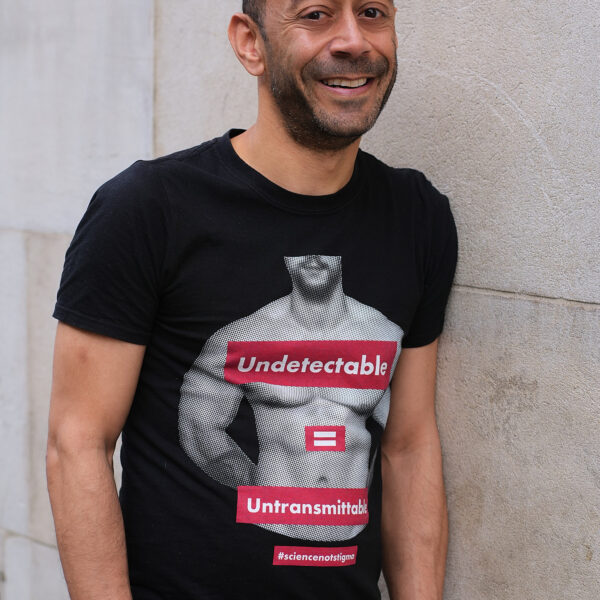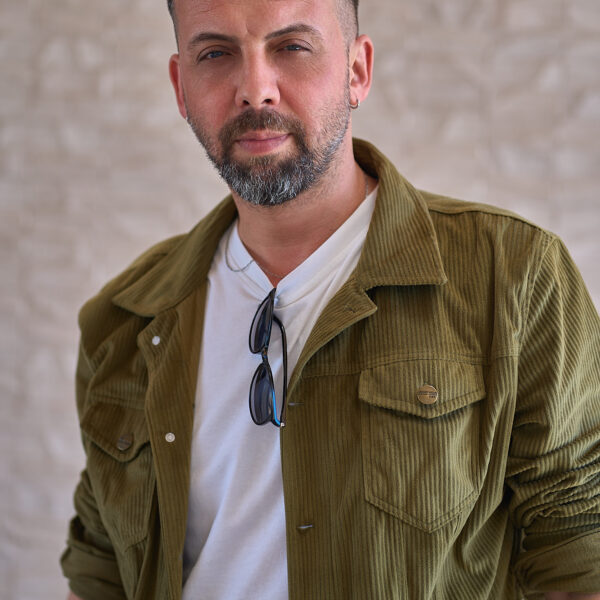
Kagan
My name is Kagan, and my work has always been…
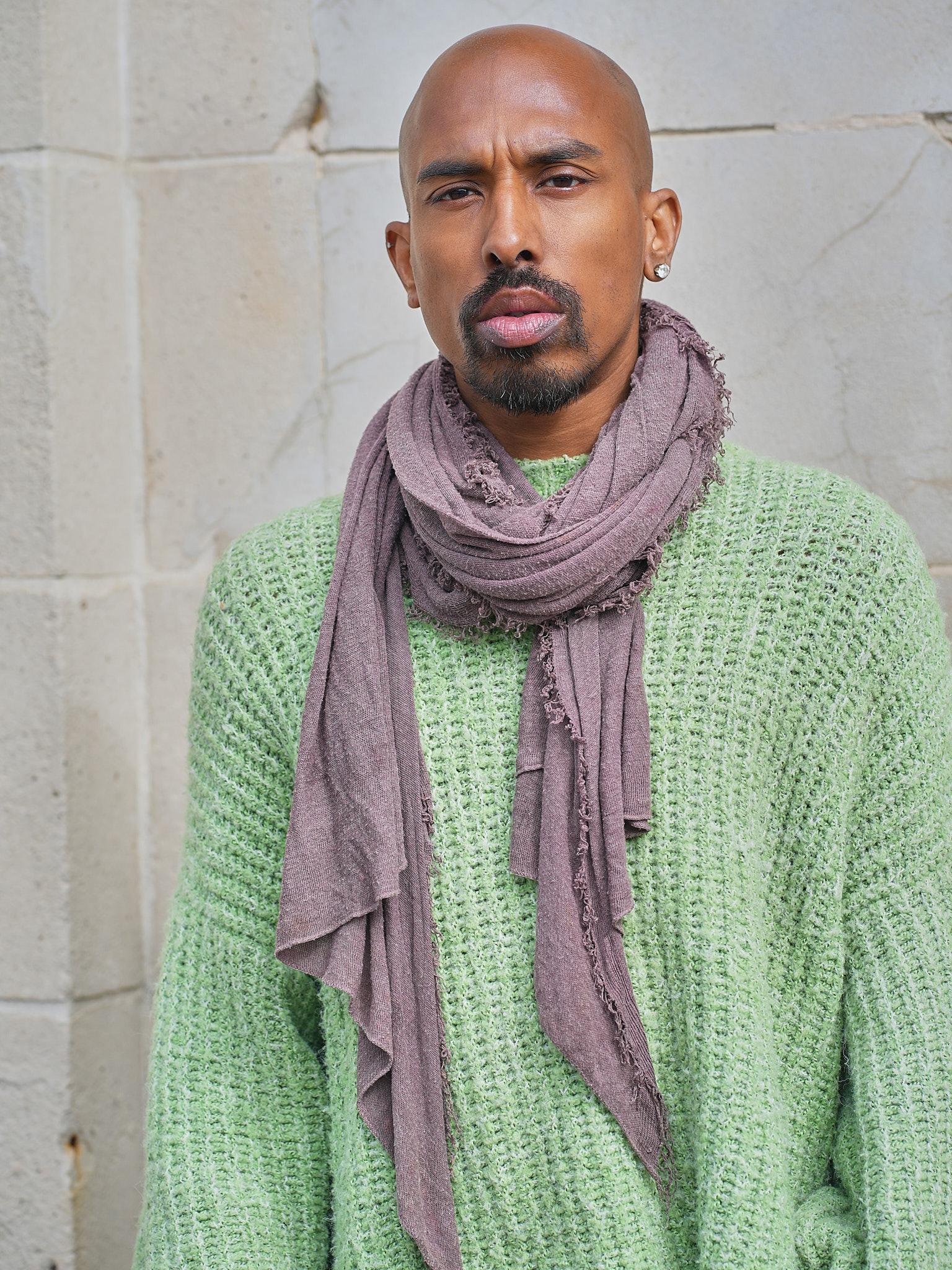
My name is Joshua.
I was born in Sri Lanka and adopted as a baby. I grew up in Oxfordshire, and from a young age I loved dance and anything creative. I used to put on shows in my bedroom. My mum tried to stop me from doing ballet when I went to an all-boys school, but at 11, I auditioned for the Royal Ballet School and got in. I spent five years there, but I was badly bullied for being gay and for being brown. It was really tough.
While I was there, I was diagnosed with bipolar disorder. I was battling my mental health and seeing a psychiatrist, and it took a huge toll on me as a dancer. After that, I went to the Central School of Ballet in Farringdon and studied musical theatre. I had a contract to go to Croatia, but the funding was cut, so instead I went to America on a scholarship to the Rock School in Philadelphia. I spent a year there, did classes in Washington, D.C., and trained with different companies.
When I came back, I toured and danced, but I was also looking for love in the wrong places. I got caught up in a toxic scene of drugs, late nights, and bad relationships. Somewhere along that path, HIV entered my life.
I was diagnosed in 2015 when I was about 23 or 24 years old. I had fevers and symptoms, but I remember going for a test and then getting a phone call from the clinic telling me I needed to come in immediately. I knew something was wrong. When I got there, they told me I was HIV positive.
My first thought was: how am I going to tell my mum and dad?
They came from a very Christian, middle-class background, and when I told them, their reaction was out of fear. They said things like, “We can’t drink from the same glass,” and, “We’ll have to wear gloves.” Looking back now, I know they were terrified for me. I was my mum’s first child, even though I was adopted, and I think they were scared for my life.
After my diagnosis, I went into a very dark place. There were drugs, alcohol, clubbing, and a lot of self-destruction. I started treatment straight away and became undetectable quickly, but emotionally it was much harder. The stigma was brutal. On dating apps, people would block me the moment I disclosed my status. I was very vulnerable at the time and desperately wanted love.
I think I carried a lot of self-stigma, too. For a long time, I hated myself. I couldn’t look at myself in the mirror. It has really been a long journey of self-love since then.
Eventually, my mum brought me to a Baptist church meal where people were talking about the Bible, and strangely enough, that helped ground me again. I had to take a break from dancing because my mental health was spiralling. I gained weight, I didn’t like myself, and my bipolar disorder and antidepressants made everything feel worse.
For a while, I just lived a normal life. I worked in restaurants, concierge jobs, trained as a masseur, and tried to rebuild myself. Then, in 2021, I received my diploma from the Royal Academy of Dance. I met Darcey Bussell, and she told me I looked fabulous. That moment really stayed with me because it made me realise I was more than HIV and more than how other people saw me.
That was when I started moving into education, teaching ballet, working in nurseries, and trying to put my experiences to good use. I also entered a relationship with someone who was HIV negative, and together we became involved in U=U advocacy work with Gilead Sciences.
In 2020, during lockdown, I had a day off and asked myself: what can I do to help end HIV stigma?
That was when I created HIV: The Naked Truth with Stream Movement. It became a global collaborative film involving dancers, singers, speakers, and creatives from around the world. We raised money for Terrence Higgins Trust and used art, dance, poetry, film, and music to start conversations about HIV differently.
For me, HIV is not just a “gay man’s disease.” It affects everyone: gay people, straight people, trans men, trans women, lesbians, anyone. I believe our bodies and our stories are powerful, and creativity can communicate things that words alone sometimes cannot.
Today, my parents are incredibly supportive. They’re my best friends now. My mum and dad even took out a loan to help support my gala event. Things have changed so much.
I still live with bipolar disorder and ADHD, but my mental health is good now. I take all my medication every single day, including my HIV treatment, and I’m thriving. I work long hours, but I finally feel stable and happy again.
There is still stigma everywhere in workplaces, dating, and everyday life. Even when I started working in a nursery, people admitted they had never knowingly worked with someone living with HIV before. But that’s exactly why I do what I do. I want people to understand that someone who is undetectable cannot pass HIV on. HIV is just a blood result. It does not define a person.
If someone were newly diagnosed today, I would tell them this:
“You are not alone. HIV is not a death sentence anymore. You can live a full, healthy life, fall in love, work, create, dream, and thrive. There is support out there, and things really do get better.”
I spent years trying to find myself again after diagnosis, after heartbreak, and after losing confidence in who I was. But now I finally feel free. I’m happy. I’m creating again. And I’m determined to keep doing my own small part to help end HIV stigma for the next generation.
Share this story on: