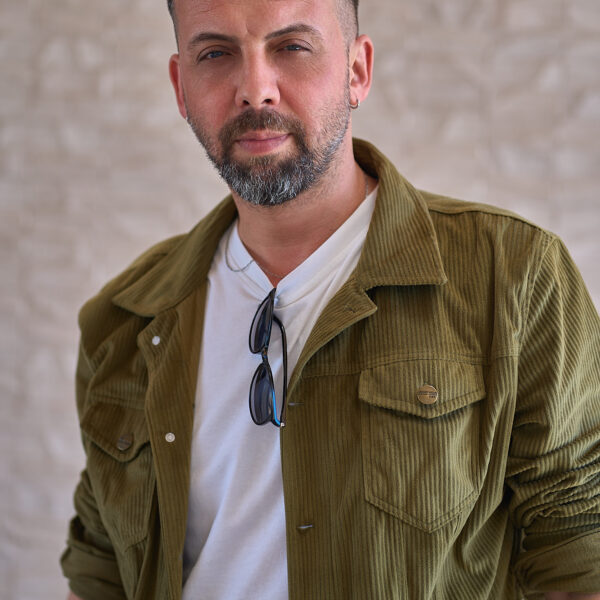
Kagan
My name is Kagan, and my work has always been…
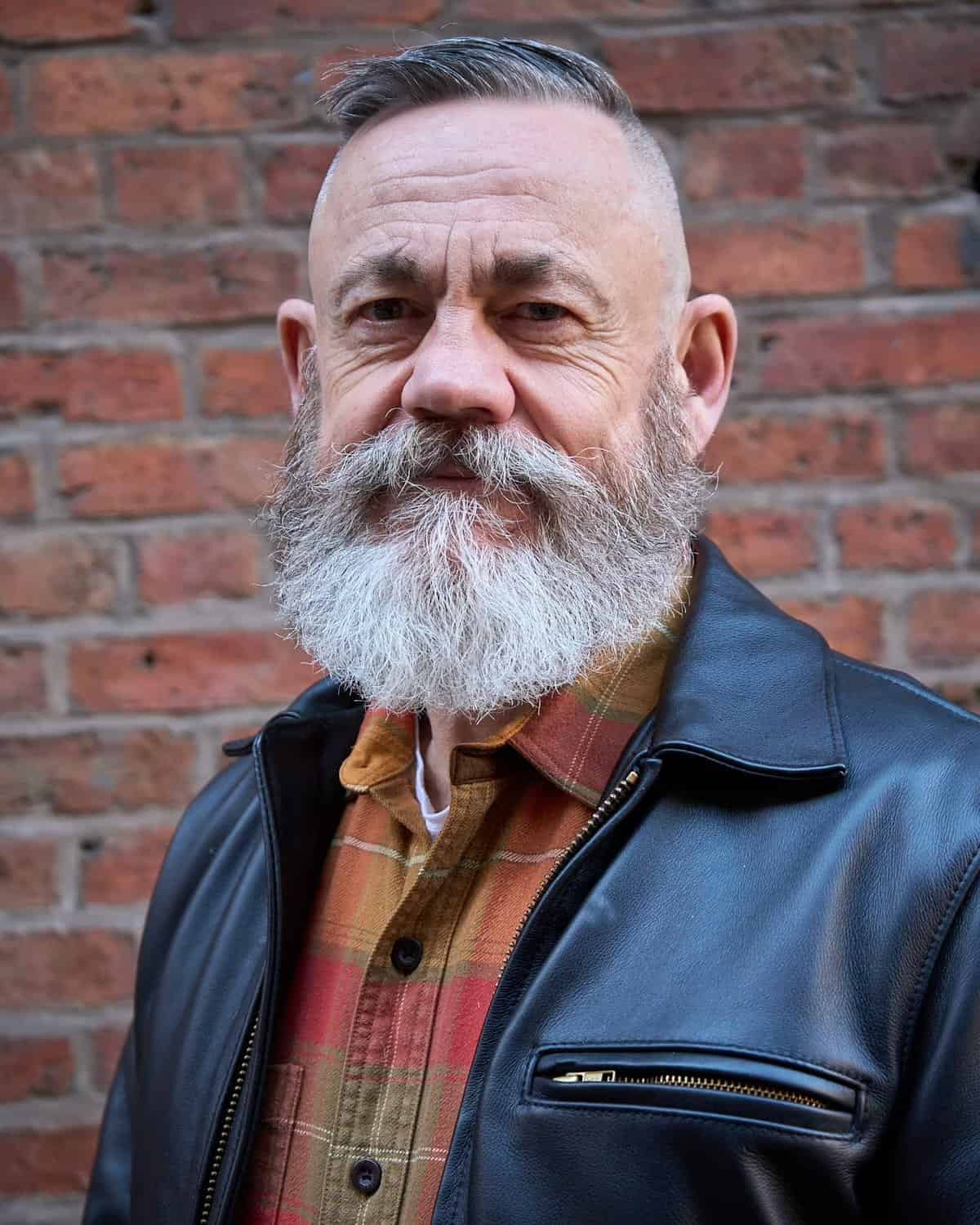
Dr Rupert Whitaker OBE
I first became ill with an unknown infection in 1981, before HIV even had a name. I was seventeen.
A year after that, I met Terry Higgins, my first real love. He gave me affection, care, and a sense of belonging while I was still trying to understand who I was. A year later, he was dead of AIDS. I was nineteen.
A few of his chosen family created what became the Terrence Higgins Trust because we wanted to prevent what happened to Terry from happening to anyone else: suffering and dying from this unknown, untreatable illness amid the fear, silence, and rejection that were already starting to become widespread.
After helping to establish the Trust, I went to North America to study psychological and behavioural medicine, neurology, and immunology, and a year in public health, specialising in HIV. Above all, I wanted to learn how AIDS developed and what could be done to help buy time until effective treatment arrived. I was lucky enough to work on pathogenesis, immunological modulators, early vaccine research, and HIV-related ‘dementia’ in the lab; provide assessment, support, and treatment of mental illnesses in community clinics; and challenge public health and immigration laws in the field. During these years, more than forty friends and close colleagues died.
By the time that the miracle of effective medications arrived, we were exhausted, traumatised, and simply relieved to stop pushing back against the disease; but we had forgotten the difference between not-dying and living. I learned the difference through coping with the toxicities of early HIV medications, surviving a near-fatal stroke, having brain surgery and severe epilepsy, learning to walk and talk properly again, then another near-fatal illness, a broken spine from brittle bones, a heart attack, and a now-decades-long pain disorder with sleep deprivation. I also lost my career, went bankrupt, and was due to be deported from America for having AIDS; I relied on a food bank to eat. This is what my not-dying included.
With each event, I have had to get back on my feet and move forward, often without help from the institutions that are there to help us or, worse, blamed for being ill until new tests were developed that showed I wasn’t making things up. I know what it’s like to be looked down on and dismissed as a patient with no community behind me once the ‘miracle’ had arrived.
More than forty years later, I am still here. My work has rested on a conviction expressed in the Denver Principles: that we, as patients, are people first and deserve dignity; we want to live full lives, not just to avoid dying. We want health, even as we are able now to grow old.
Through working over the past twenty years in both public health and forensic psychiatry across several countries, I have seen what happens when medicine, the law, and public institutions lose their sense of purpose and service; our own National Health Service doesn’t even understand what ‘health’ means. I founded the Tuke Institute because of this: to bring together science, ethics, medicine, lived experience, and technology to ensure that we, as patients, can remind our services why they are there at all, and help them help us.
HIV has taken a great deal from me, but it has also given my life purpose. By telling a part of my story here, I hope to contribute towards a world in which nobody has to face HIV and its consequences alone, where there is a new sense of community to give each and every one of us the chance of a full, healthy life.
Though we’ve come so far, we still have much work to do.
Share this story on: